10 min read
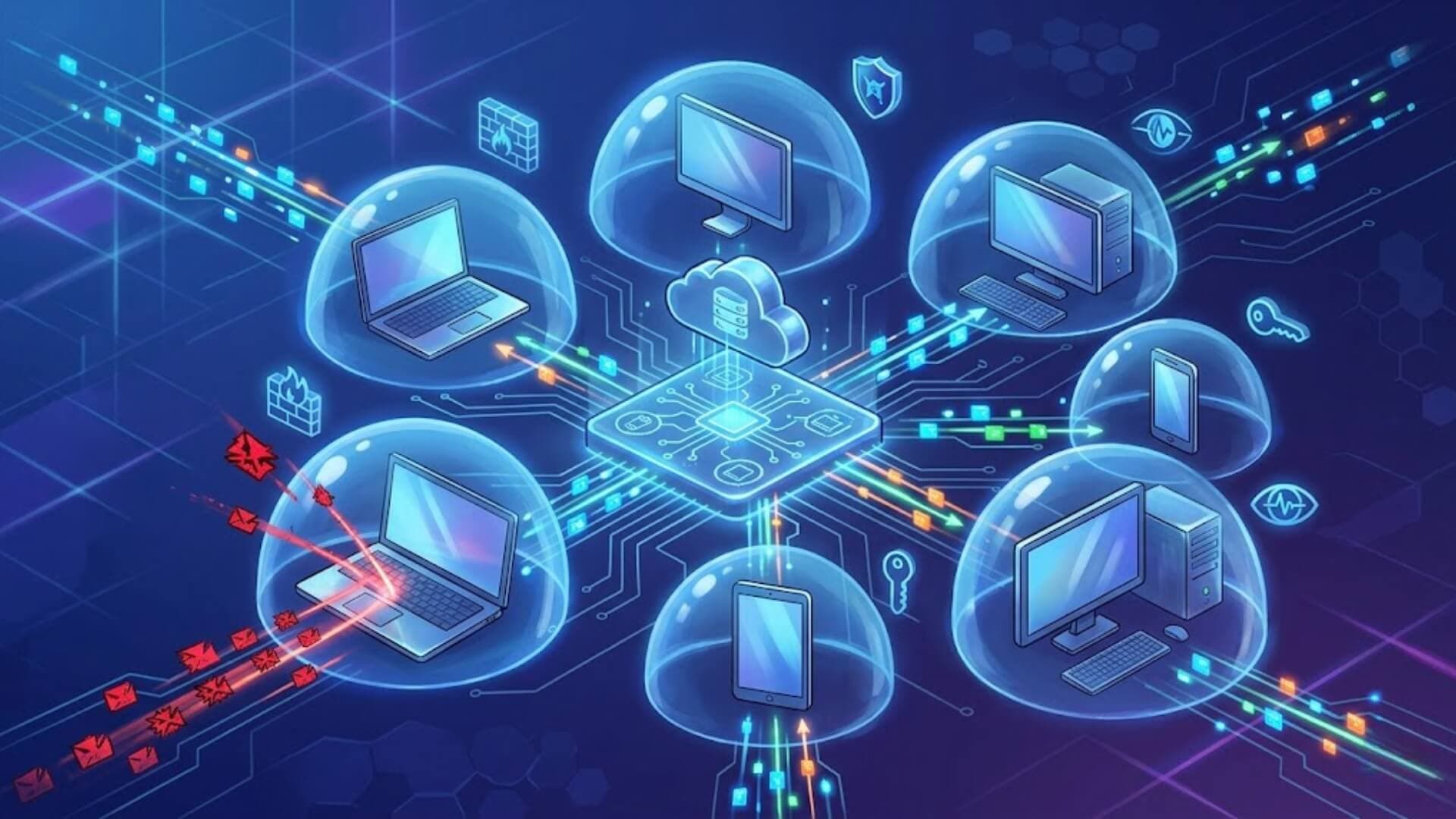
A single compromised laptop can give an attacker access to your entire network. That is not a worst-case scenario. It is how most breaches start. What is endpoint security? It is the layer of protection that stops this from happening. It monitors the devices your team uses every day, blocks unauthorized activity, and helps you respond before damage spreads.
This article breaks down what endpoint security is, how it works, and why every business needs it today.
What is Endpoint Security?Link to heading

Endpoint security is the practice of protecting devices such as laptops, desktops, servers, and other connected systems from cyber threats and attacks. These devices are called endpoints because they connect to a network and can serve as access points for users, applications, and data. Endpoint security software helps businesses protect the devices employees use for work, as well as servers hosted on a local network or in the cloud.
As more businesses rely on remote work, cloud platforms, and connected devices, endpoint security has become more important. Cyber criminals now use more advanced methods to attack company systems. They often target endpoints because these devices are widely used and are often connected to sensitive business resources.
Every endpoint that connects to a company network can become a weak point. If a laptop, phone, server, or workstation is not protected, attackers may use it to enter the network. Once inside, they can install malware, steal data, disrupt systems, or move deeper into the business environment.
This is why companies need tools that can monitor endpoint activity, detect threats, block attacks, and contain damage when an incident occurs. Endpoint security also gives IT and security teams better visibility into risks across all devices. With this visibility, they can find threats faster, respond to issues sooner, and reduce the chance of a serious breach.
>>> Scan site for malware: Complete guide to check your website
Why is Endpoint Security important?Link to heading
To understand what is Endpoint Security, it is important to recognize the risks associated with modern workplaces. Every device used to access business systems can create a potential security gap if it is not properly protected.
Endpoint security is important because every device used to access business systems can create risk. Employees connect to company networks from laptops, smartphones, tablets, and other devices. These endpoints may be used in the office, at home, or on public networks. Each connection can give attackers a possible way into the business.
As the number of endpoints grows, protecting them becomes harder. A company can no longer rely only on network security or office-based defenses. Attackers often look for the easiest device to compromise, then use it to access data, accounts, or internal systems. Strong endpoint security helps protect this front line and reduces the risk of cyber attacks.
The benefits of Endpoint SecurityLink to heading

Knowing what is Endpoint Security also means understanding the value it brings to an organization. Endpoint security plays a key role in helping organizations protect their devices, users, and data. Some of its main benefits include:
- Protecting all endpoints: Employees now use many types of devices to connect to business systems. These may include laptops, desktops, smartphones, tablets, and servers. Endpoint security helps protect each device and keeps the data on those devices safer from loss, theft, or misuse.
- Securing remote work: Remote work and bring your own device policies have changed how people access business resources. Employees can work from different locations and on different devices, which helps productivity. However, this also creates more security risks. Endpoint security helps protect devices no matter where employees work or how they connect to company data.
- Stopping advanced threats: Cyber criminals use more complex attack methods to break into business networks, steal information, and trick employees into sharing sensitive data. Endpoint security helps detect and block threats such as malware, ransomware, phishing-related attacks, and suspicious behavior. A strong endpoint protection platform can combine prevention, visibility, and central control across all devices.
- Protecting user identity: Employees now access business systems from many networks, locations, and devices. Because of this, protecting only the company network perimeter is no longer enough. Endpoint security adds protection directly to employee devices, helping users access business data and resources in a safer way wherever they work.
How does Endpoint Security work?Link to heading
After learning what is Endpoint Security, the next step is understanding how it protects devices and business data from cyber threats.
The purpose of endpoint security is to protect the devices that connect to a company network and the data stored or accessed through those devices. It works by monitoring files, applications, and activities on each endpoint and checking them against threat intelligence databases that are continuously updated in the cloud. This allows the system to identify and block known threats before they can cause damage.
Most endpoint security solutions are managed through a centralized console. This management platform is installed on a server or connected to the organization's network, giving administrators visibility and control over all protected devices. Security teams can use the console to manage policies, monitor threats, deploy updates, and respond to incidents across the entire environment.

To protect individual devices, endpoint security software is installed on each endpoint. The software may be deployed remotely or directly on the device. Once installed, it receives security updates, verifies user access attempts, enforces company security policies, and monitors activity for signs of malicious behavior.
Endpoint security solutions also use application control to reduce risk. This feature prevents users from installing or running applications that are not approved by the organization. Many solutions also include encryption capabilities to protect sensitive data and reduce the risk of data loss if a device is lost, stolen, or compromised.
Modern endpoint security platforms can detect and block malware, ransomware, and other common threats in real time. More advanced solutions include endpoint detection and response (EDR) capabilities, which help security teams identify and investigate sophisticated attacks.
These may include fileless malware, polymorphic malware, and zero-day exploits. Understanding what is Endpoint Security makes it easier to see how these technologies work together to detect threats earlier and improve an organization's ability to respond to security incidents.
What is an endpoint?Link to heading
An endpoint is any device that connects to a corporate network and allows users or systems to access business resources. As organizations adopt bring your own device (BYOD) policies and connect more smart devices to their networks, the number of endpoints continues to grow.
Common examples of endpoints include:
- ATM machines
- IoT-enabled smart devices
- Industrial equipment
- Laptop computers
- Medical devices
- Mobile phones
- Printers
- Servers
- Tablets
- Wearable devices such as smartwatches
Today, endpoints include much more than laptops and smartphones. Any connected device that can communicate with a corporate network may be considered an endpoint. Because these devices often provide direct access to business systems and data, they are common targets for cyber criminals.
For this reason, organizations must identify and secure every device that connects to their network. Understanding what is Endpoint Security helps businesses recognize why endpoint protection is essential in modern environments. As endpoints become more diverse and advanced, endpoint security technologies continue to evolve to provide stronger protection against emerging threats and attack methods.
What are the components of Endpoint Security software?Link to heading

Endpoint security and firewalls serve different purposes, but both are important parts of a cybersecurity strategy. A firewall monitors network traffic and decides whether to allow or block connections based on predefined rules. Endpoint security focuses on protecting the devices connected to the network, helping organizations monitor device activity, detect threats, and secure business data.
In the past, traditional firewalls provided strong protection because most employees worked from a single office and accessed resources through the same network. Today, many employees work remotely, travel frequently, or connect from home networks. As a result, traffic often bypasses the corporate network, making device-level protection more important than ever.
This shift has changed how organizations approach security. Network security focuses on protecting the network by restricting traffic, securing open ports, and using intrusion detection and prevention technologies. Endpoint security focuses on protecting the devices themselves.
Understanding what is Endpoint Security also means understanding that endpoints have become a critical security boundary. By treating endpoints as a key layer of defense, organizations can detect threats and reduce risks regardless of where employees are working.
When choosing an endpoint security solution, organizations should consider several key factors.
Number of employeesLink to heading
The size of the workforce can influence the type of solution a business needs. Small organizations may be able to manage devices individually without much difficulty. However, as the number of employees grows, manually managing each endpoint becomes less practical. A centralized endpoint security platform helps IT teams monitor and manage all devices from a single location, improving efficiency and visibility.
Employee locationLink to heading
Organizations with employees working from one office may have fewer challenges managing endpoint security. However, businesses with remote workers, multiple offices, or mobile employees need a solution that can protect devices wherever they connect. Endpoint security ensures consistent protection whether users access company resources from home, a branch office, or a public network.
Device ownershipLink to heading
Bring your own device (BYOD) policies have increased the number of personal devices used for work. Employees often access business applications and data from their own laptops, tablets, or smartphones. Endpoint security helps organizations secure these devices, control access to company resources, and monitor activity without relying solely on network-based defenses.
Data sensitivityLink to heading
Organizations that handle sensitive information, customer records, financial data, or intellectual property often require more than traditional antivirus protection. Antivirus software mainly focuses on detecting known malware, while endpoint security provides broader protection against a wider range of threats.
Businesses that understand what is Endpoint Security are better prepared to protect critical data, reduce the risk of breaches, support regulatory compliance, and meet audit requirements.
Endpoint Security vs Antivirus: What is the difference?Link to heading

Antivirus software is designed to detect, block, and remove malware from devices such as laptops, desktops, servers, and mobile devices. It works by scanning files and applications for known malware signatures and comparing them against a database of identified threats. Because antivirus software relies heavily on signature-based detection, it must be updated regularly to recognize newly discovered malware.
Endpoint security takes a broader approach. Instead of focusing on a single device, it protects all endpoints connected to an organization's network. It combines multiple security technologies to monitor devices, detect suspicious activity, and respond to threats across the entire environment. Understanding what is Endpoint Security means recognizing that it protects not only devices but also the data, users, and systems connected to them.
Several key differences separate endpoint security from traditional antivirus solutions.
Device coverageLink to heading
Traditional antivirus software is built to protect individual devices. Each computer, server, or mobile device typically requires its own antivirus installation. Endpoint security solutions are designed to protect every connected device across the organization from a centralized platform, making management easier for larger businesses.
Threat protectionLink to heading
Antivirus software is effective against known malware that matches existing threat signatures. However, modern cyber threats often use techniques that avoid traditional detection methods. Endpoint security provides broader protection against ransomware, phishing attacks, fileless malware, zero-day threats, data breaches, and other advanced attacks that may not have recognizable signatures.
Continuous protectionLink to heading
Most antivirus solutions depend on frequent signature updates to remain effective. If updates are delayed or missed, devices may remain vulnerable to new threats. Endpoint security platforms typically use cloud-based threat intelligence and automatic updates, helping organizations stay protected against emerging risks without relying on manual actions from users.
Advanced data protectionLink to heading
Antivirus software focuses on preventing malware infections but offers limited protection against insider threats and data misuse. For example, it may not stop an employee from copying sensitive files to a USB drive. Endpoint security solutions often include encryption, access controls, and data protection features that help prevent unauthorized access, data theft, and accidental data exposure.
Behavioral analysisLink to heading
Traditional antivirus tools primarily look for known malicious code. Endpoint security platforms use additional technologies such as behavioral analysis and threat monitoring. These capabilities help identify suspicious actions, unusual system behavior, and potential attacks from both external attackers and internal users, even when no known malware signature exists.
Administrative controlLink to heading

Antivirus protection often depends on users keeping software updated and properly configured. This can create security gaps if updates are ignored or disabled. Endpoint security shifts management responsibilities to IT and security teams, allowing them to enforce policies, deploy updates, and manage security settings from a central location.
Enterprise-wide visibilityLink to heading
When antivirus software detects a threat, it usually alerts the user on the affected device. Security teams may then need to investigate the issue manually. Endpoint security solutions provide centralized visibility into all connected devices. Administrators can monitor activity, investigate suspicious events, deploy patches, update software, and respond to incidents remotely from a single management console.
Integration with other security toolsLink to heading
Antivirus software is typically a standalone application that performs a specific task. Endpoint security platforms are often built to integrate with other cybersecurity tools and services. This creates a more unified security environment, helping organizations improve visibility, strengthen threat detection, and simplify security management across their entire infrastructure.
When evaluating security solutions, understanding what is Endpoint Security and how it differs from antivirus software can help organizations choose the level of protection that best fits their security needs. In most modern environments, endpoint security delivers broader coverage and stronger protection against today's evolving cyber threats.
ConclusionLink to heading
Understanding what is Endpoint Security is the first step to building a stronger security posture. From monitoring device activity to blocking advanced threats like ransomware and fileless malware, a solid endpoint security solution gives IT teams the visibility and control they need across every connected device.
>>> Are you relying only on antivirus software to protect your website? W7SFW strengthens your security posture by filtering harmful traffic and reducing your exposure to online attacks.