10 min read
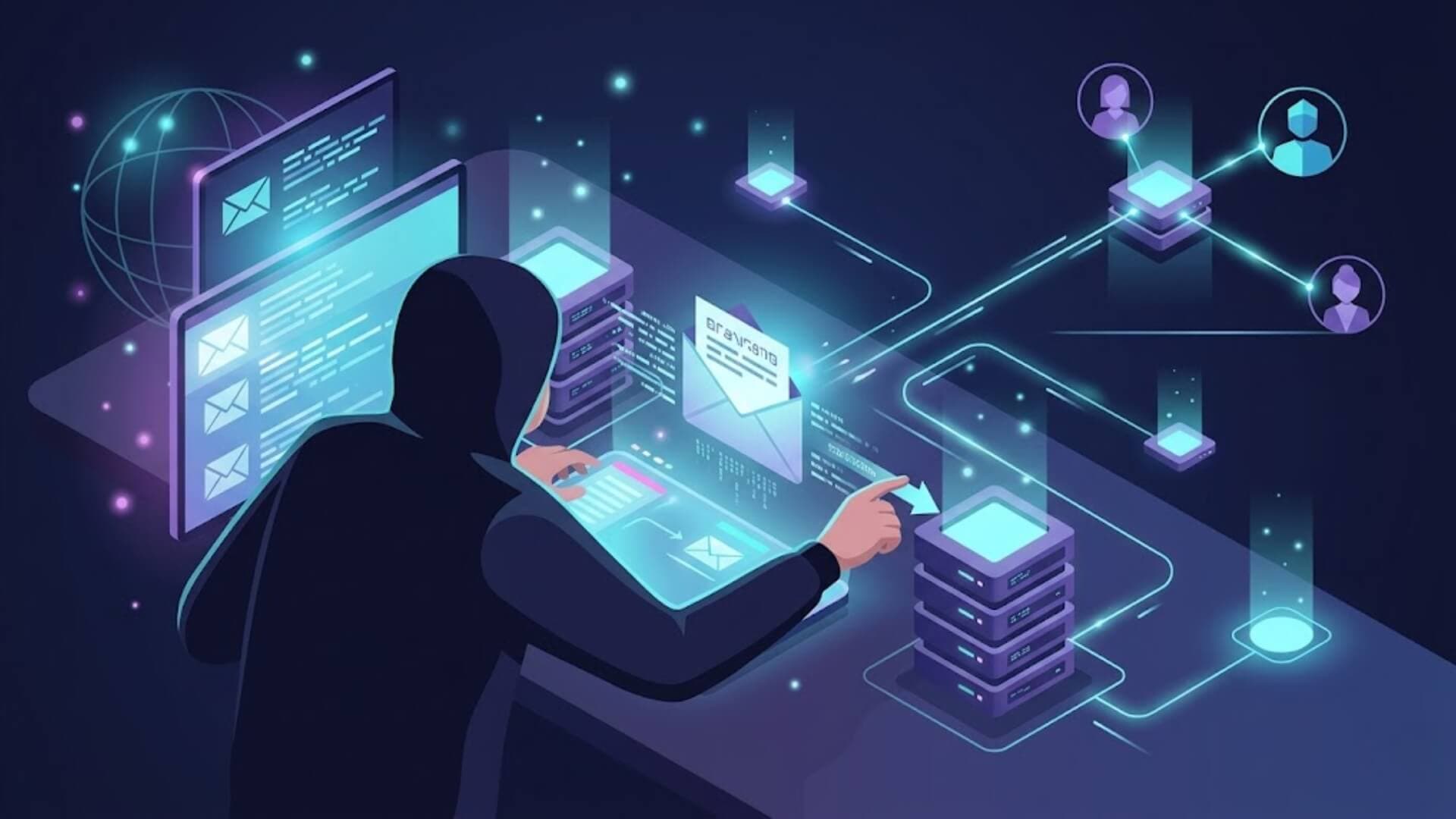
The most dangerous email threat facing businesses today often doesn't contain malware, suspicious links, or infected attachments. Instead, it looks like a legitimate message from a trusted executive, colleague, supplier, or business partner. Because these emails appear genuine, they can easily bypass both security systems and human judgment.
This type of attack is known as Business Email Compromise (BEC), and it has become one of the most costly forms of cybercrime worldwide. Rather than exploiting software vulnerabilities, attackers exploit trust, using carefully crafted emails to trick employees into transferring funds, changing payment details, or sharing sensitive information.
In this article, you'll learn how BEC attacks work, the risks they pose to businesses, and the practical steps organizations can take to prevent costly email fraud.
What is Business Email Compromise?Link to heading

Business Email Compromise (BEC) is a type of cyber fraud in which attackers pose as trusted individuals within or connected to an organization to convince employees to send money, disclose sensitive information, or perform unauthorized actions. These attacks can result in significant financial damage, costing businesses billions of dollars every year.
For smaller organizations with limited resources, the impact can be especially severe and, in some cases, difficult to recover from.
Unlike traditional phishing campaigns that are sent to large numbers of people, BEC attacks are highly targeted. Cybercriminals typically spend time researching their victims, learning about company structures, communication patterns, and ongoing business activities. Some attackers gain access to legitimate email accounts and use them to send convincing requests, while others focus on senior executives in attacks commonly known as "whaling".
Regardless of the approach, the objective remains the same: exploiting trust to manipulate victims into taking actions that benefit the attacker.
>>> Learn more: What is phishing? Tips to identify and prevent online scams
The most common forms of BECLink to heading
To fully understand what is Business Email Compromise, it helps to look at how these attacks actually present themselves. Email remains one of the most frequently targeted communication channels in cybercrime, and BEC scams can take several forms. Understanding the most common attack methods can help organizations recognize suspicious activity before financial losses occur.
CEO FraudLink to heading
CEO fraud is one of the most well-known forms of BEC. In this scheme, attackers impersonate a company's chief executive officer or another senior leader and send urgent requests for wire transfers, payments, or confidential information. These messages often emphasize secrecy and urgency to discourage employees from verifying the request.
To increase their chances of success, scammers carefully imitate the executive's writing style, tone, and communication habits. Several organizations have suffered substantial financial losses after employees acted on these fraudulent instructions.
Account compromiseLink to heading
In account compromise attacks, cybercriminals gain access to legitimate email accounts by stealing login credentials or exploiting weak security practices. Once inside an account, they may quietly monitor email conversations for days or even weeks to understand business operations and identify upcoming financial transactions.
When the right opportunity appears, they intervene by sending fraudulent payment requests or changing banking information. In some cases, attackers create hidden email forwarding rules to monitor communications and conceal their presence for extended periods.
Attorney impersonationLink to heading

Another common BEC tactic involves criminals pretending to be attorneys or legal representatives handling sensitive business matters. They may claim to be involved in acquisitions, legal disputes, regulatory issues, or confidential settlements and pressure employees to make immediate payments or share restricted information.
To make the request appear legitimate, attackers often provide forged legal documents, contracts, or official-looking correspondence. The combination of authority, urgency, and confidentiality can make these scams particularly effective.
BEC attackers are typically patient and strategic. Rather than acting immediately, they often wait for situations where employees are under pressure and less likely to question unusual requests. High-stress periods such as mergers, acquisitions, major business negotiations, or end-of-quarter financial deadlines create ideal opportunities for scammers to exploit trust and avoid detection.
How Business Email Compromise scams workLink to heading
Organizations that want to understand what is Business Email Compromise need to look beyond the definition and examine the mechanics behind each attack. These scams may seem straightforward on the surface, but they are often the result of careful planning and detailed research.
Rather than relying on large-scale spam campaigns, attackers use targeted methods designed to gain the trust of specific individuals within an organization. Their goal is to make fraudulent requests appear legitimate, increasing the likelihood that employees will act without questioning them.
>>> Learn more: What is bot traffic? How bots impact SEO and website data
Methods used by cybercriminalsLink to heading
BEC attackers combine technical skills with social engineering techniques to make their scams convincing. Instead of sending generic messages, they carefully tailor their communications to match the target's role, responsibilities, and daily activities. Common tactics include:
- Email spoofing, where attackers create email addresses that closely resemble legitimate business accounts. At first glance, these messages appear to come from trusted executives, coworkers, vendors, or partners.
- Spear-phishing campaigns, which target specific employees with personalized messages. Attackers often gather information from company websites, social media profiles, or previous data breaches to create emails that appear authentic and relevant.
- Malware deployment, which allows cybercriminals to gain access to internal communications, sensitive files, and business conversations. This information can then be used to craft highly convincing fraudulent requests or identify valuable financial transactions.
These are not ordinary phishing scams. They are carefully designed to avoid suspicion and slip past detection, which is precisely what makes understanding what is Business Email Compromise so critical for any organization that relies on email to conduct business.
Why Business Email Compromise is difficult to identifyLink to heading

One of the main reasons BEC attacks are so effective is that they rarely look malicious. Instead of using suspicious links or attachments, attackers often rely on simple email messages that resemble routine business requests.
Cybercriminals understand how organizations operate and take advantage of established business processes. They exploit trust, authority, and urgency to encourage employees to act quickly without verifying requests. Because the messages often involve familiar tasks such as approving payments, updating banking details, or sharing business information, even experienced staff members can be deceived.
The success of these scams often depends on timing. Attackers may wait for busy periods when employees are handling multiple responsibilities and have less time to carefully review every request they receive.
Common characteristics of BEC emailsLink to heading
Although BEC emails are designed to appear legitimate, they often contain warning signs that can help identify fraudulent activity. Some of the most common indicators include:
- Requests for urgent wire transfers, payment approvals, or gift card purchases.
- Messages that emphasize confidentiality or ask employees to keep the request private.
- Emails claiming that the sender is unavailable due to travel, meetings, or other commitments and cannot be contacted through normal channels.
- Slight variations in email addresses, domains, or sender names that closely resemble legitimate accounts.
- Minor grammar issues, unusual wording, or communication styles that differ from the sender's normal behavior.
These messages are intentionally crafted to create a sense of urgency and pressure recipients into responding immediately. The attacker wants the target to focus on completing the request rather than verifying its legitimacy. For anyone researching what is Business Email Compromise, recognizing these warning signs and carefully reviewing unexpected requests can significantly reduce the risk of falling victim to this type of attack.
Common targets of Business Email Compromise attacksLink to heading
Business Email Compromise attacks can affect virtually any organization, regardless of its size, industry, or location. Cybercriminals are primarily interested in gaining access to money, sensitive information, or systems that can help them achieve their goals. As a result, any organization that handles financial transactions or stores valuable data can become a potential target.
Some of the most frequently targeted organizations include:
- Businesses of all sizes, from small startups to large multinational corporations.
- Government agencies responsible for managing budgets, contracts, public funds, or procurement processes.
- Nonprofit organizations that oversee donations, grants, fundraising campaigns, and financial assistance programs.
- Educational institutions such as schools, colleges, and universities, where staff members regularly process tuition payments, vendor invoices, and administrative transactions.
In general, if an organization routinely transfers funds, manages confidential information, or relies heavily on email communication, it may be vulnerable to a BEC attack. Cybercriminals often view these organizations as attractive targets because a successful scam can result in significant financial gain with relatively little effort.
Roles most frequently targeted by BEC scammersLink to heading

To fully understand what is Business Email Compromise, it is also important to recognize that attackers do not target organizations randomly. Instead, they focus on individuals who have access to financial systems, sensitive data, or decision-making authority within the company. These employees become high-value targets because their actions can directly influence payments or access to critical information.
Finance and accounting personnelLink to heading
Employees in finance departments are among the most common targets of Business Email Compromise attacks. This includes controllers, accountants, accounts payable staff, payroll specialists, and finance managers.
These individuals typically have access to banking information, payment systems, vendor accounts, and financial records. Attackers often impersonate executives or vendors to convince them to approve fraudulent payments or update banking details.
Senior executivesLink to heading
Chief Executive Officers (CEOs), Chief Financial Officers (CFOs), and other senior leaders are frequently targeted because their authority can be used to influence other employees. Attackers may impersonate executives to request urgent wire transfers or confidential information.
Publicly available information about leadership teams, including company websites and social media profiles, often makes it easier for scammers to create convincing impersonation attempts.
Human resources professionalsLink to heading
Human resources teams manage a large amount of sensitive employee information, including payroll records, tax documents, personal contact details, and employment data. Because of their access to this valuable information, HR personnel are common targets for attackers seeking to steal personal data or redirect payroll payments.
IT administrators and technical staffLink to heading
IT professionals are another attractive target because they often have elevated access to company systems, user accounts, and security controls. If attackers successfully compromise an IT administrator's account, they may gain deeper access to the organization's network and resources, increasing the scope of the attack.
New and junior employeesLink to heading

Employees who are new to an organization or have limited experience are often targeted because they may be less familiar with internal procedures and less confident when verifying unusual requests. Attackers frequently take advantage of this uncertainty by creating urgent situations that encourage quick action without proper verification.
Understanding what is Business Email Compromise makes it easier to see why these particular roles are so frequently in the crosshairs. BEC attackers understand that finance teams, executives, HR staff, IT administrators, and new employees each represent a key point of control within an organization.
By impersonating trusted individuals or directly targeting those with access to valuable resources, cybercriminals increase their chances of bypassing internal safeguards and reaching the financial assets or sensitive information they are after.
Risks and impact of Business Email Compromise on organizationsLink to heading
Business Email Compromise attacks can have serious consequences for organizations of every size. The damage often extends far beyond the initial fraudulent transaction, affecting finances, daily operations, customer trust, and long-term business stability. Because these attacks are designed to exploit trusted communication channels, organizations may not realize they have been targeted until significant losses have already occurred.
Financial Consequences of BEC attacksLink to heading
The financial impact of Business Email Compromise can be substantial. Organizations may lose large sums of money through fraudulent wire transfers, fake invoices, payroll diversion schemes, or unauthorized payments. According to cybersecurity reports and law enforcement agencies, BEC attacks have caused billions of dollars in losses worldwide over the past decade, making them one of the most expensive forms of cybercrime.
However, direct financial theft is only part of the problem. Organizations may also face additional expenses related to:
- Investigating and responding to the incident.
- Recovering compromised accounts and restoring affected systems.
- Addressing data breaches if sensitive business or customer information is exposed.
- Paying legal fees and regulatory penalties resulting from compliance violations.
- Implementing additional security controls after the attack.
- Managing operational downtime and business disruptions during recovery efforts.
For many organizations, especially small and medium-sized businesses, the combined financial burden of a BEC incident can be difficult to absorb and may affect long-term growth and profitability.
Real-world examples of Business Email CompromiseLink to heading
Understanding what is Business Email Compromise becomes easier when looking at real-world scenarios. Business Email Compromise attacks can take many forms, but they all rely on convincing victims to trust fraudulent requests. The following examples illustrate how these scams commonly occur in real business environments.

Example #1: Urgent payment request
Imagine you work in the finance department and receive an email that appears to come from the Chief Financial Officer. The message states that an overdue invoice must be paid immediately and instructs you to transfer funds to a specified account. Because the request seems urgent and appears to come from a trusted executive, it may look legitimate at first glance.
In another variation of this scam, attackers impersonate a vendor, supplier, or service provider. They send a realistic invoice and request payment to a fraudulent bank account. If employees fail to verify the payment details, company funds may be transferred directly to the attacker.
Example #2: Phone number and SMS fraud
An employee receives an email that appears to come from a company executive asking for assistance with a quick task. The sender requests the employee's phone number and promises to provide further instructions through text messages.
Once communication moves to SMS, the attacker may request gift card purchases, payment information, login credentials, or other sensitive data. This technique combines email impersonation with SMS-based phishing, commonly known as smishing, to increase the likelihood of success.
Example #3: Confidential acquisition request
A scammer impersonates a senior executive and claims the company is preparing to acquire a competitor or complete another confidential business transaction. The employee is instructed to make a deposit, process a payment, or share financial information while keeping the matter strictly confidential.
Because mergers, acquisitions, and strategic business deals often involve limited internal communication, the request may appear believable. The emphasis on secrecy can discourage employees from verifying the instructions with other team members, increasing the likelihood of fraud.
Business Email Compromise vs. Traditional PhishingLink to heading
Although Business Email Compromise and traditional phishing attacks both rely on email as an attack vector, they differ significantly in their methods, sophistication, and potential impact. Understanding what is Business Email Compromise is essential to clearly see why it is considered more targeted and dangerous compared to standard phishing campaigns.
Business Email Compromise
BEC attacks are highly targeted and carefully planned. Cybercriminals often take time to study the organization, identify the most important people, and understand internal procedures before they launch an attack. They often impersonate executives, vendors, attorneys, or trusted business partners to make their requests appear legitimate.
The primary objective of a BEC attack is usually to obtain large financial transfers, sensitive business information, employee data, or access to critical systems. Because these attacks are personalized and tailored to the target organization, they can be difficult to identify.
Traditional Phishing
Traditional phishing campaigns typically target a large number of recipients with generic messages. Attackers often use fake login pages, fraudulent account alerts, prize notifications, or security warnings to trick users into revealing credentials or personal information.
While traditional phishing attacks can still be effective, they are generally easier to recognize because they often contain suspicious links, generic language, or obvious warning signs. The financial losses associated with individual phishing attempts are usually smaller than those caused by successful BEC attacks.
The key difference is that Business Email Compromise focuses on precision and trust, while traditional phishing relies on volume. Because BEC attacks frequently target high-value transactions and critical business processes, the potential consequences are significantly greater. For this reason, organizations should prioritize employee awareness, email security controls, and verification procedures to reduce the risk of becoming a victim.
Strategies for preventing and detecting BEC attacksLink to heading

Stopping a Business Email Compromise (BEC) attack requires more than one layer of protection. It takes awareness, strong internal procedures, the right security tools, and a clear response plan for when something suspicious happens.
A clear understanding of what is Business Email Compromise also helps organizations design more effective prevention strategies. The goal is to reduce risk before an attack succeeds and to react quickly if someone tries to trick your organization.
Organizational measures and employee trainingLink to heading
People are often the first line of defense, which means awareness training matters just as much as technical security. When employees know what to look for, they are far less likely to fall for a fraudulent message. Everyone in the organization should be able to recognize warning signs such as phishing links, mismatched email domains, and requests that feel unusually urgent or confidential.
Regular training can help employees slow down and question unexpected messages before acting on them. Some organizations also run simulated BEC scams to test how staff respond in real situations. These exercises make it easier for employees to recognize suspicious patterns and build better habits over time.
Secure email gateways and technical defensesLink to heading
Technology adds another critical layer of protection against Business Email Compromise attacks. Several tools can help detect, filter, and block malicious emails before they reach the inbox. Understanding what is Business Email Compromise also means understanding why organizations need multiple layers of email security rather than relying on employee awareness alone.
Secure email gateways (SEGs), for example, scan incoming messages for signs of spoofing, fraud, or other suspicious behavior. They help filter out threats before employees even see them.
Multifactor authentication (MFA) is another important safeguard. Even if an attacker manages to steal a username and password, MFA makes it much harder for them to access an account without the second verification step.
Domain-based Message Authentication, Reporting, and Conformance (DMARC) also plays a major role in email protection. This protocol helps prevent cybercriminals from impersonating your company’s domain and sending fake messages that appear legitimate. When these tools are used together, they can significantly lower the chance of a successful BEC attack.
Responding to a suspected BEC attackLink to heading

If you believe a BEC attack is underway, time matters. The faster your team responds, the better the chance of limiting damage. The first step is to stop any suspicious transaction immediately. If a wire transfer has already been started, contact the bank right away and ask whether the payment can be frozen or reversed.
At the same time, notify your IT team so they can investigate where the message came from, check whether any accounts were compromised, and block further contact from the attacker. After that, review your internal processes to identify any weak points that allowed the request to slip through. Strengthening those procedures now can help prevent the same situation from happening again.
Having a clear response plan in place is essential. When every minute counts, a prepared team can act faster and reduce the impact of the attack. Organizations that fully understand what is Business Email Compromise are often able to identify suspicious activity sooner and respond more effectively.
AI and email securityLink to heading
Artificial intelligence and machine learning are changing the way organizations defend email systems. These technologies can analyze communication patterns and spot unusual behavior, such as an unexpected request for a wire transfer or a message that does not match the sender’s normal habits.
They can also detect subtle signs of spoofing, including small differences in email addresses that people might overlook. Over time, AI-based systems continue learning from new threats, which makes it harder for attackers to stay ahead of detection tools.
By adding AI-powered and unified SecOps solutions to your security stack, your organization gains a stronger advantage against increasingly sophisticated BEC threats.
How to reduce the risk of Business Email CompromiseLink to heading
When it comes to preventing Business Email Compromise (BEC), being proactive is critical. Cybercriminals do not stand still, and their methods continue to change as security tools improve. That means your defenses must be updated and actively maintained if you want to stay ahead of these attacks. A strong security strategy depends on constant attention, regular review, and the ability to respond quickly when something looks unusual.

Continuous monitoring and regular updatesLink to heading
BEC is not the kind of threat you can install protection against once and ignore. Attackers keep adjusting their approach to get around existing safeguards, so organizations need to remain alert at all times. This includes several important practices:
- Conducting regular security audits to find weaknesses in your current defenses and close any gaps before attackers can exploit them.
- Keeping software and security tools up to date so known vulnerabilities are patched and new threats are less likely to succeed.
- Monitoring activity continuously to spot suspicious behavior early, including unusual email patterns, strange login attempts, or unauthorized access to accounts and systems.
Organizations that understand what is Business Email Compromise recognize that security is an ongoing process rather than a one-time project. A security plan only works when it evolves with the threat landscape. If your defenses stay static while attackers keep refining their techniques, your organization becomes easier to target. Staying consistent with monitoring and updates helps reduce that risk and strengthens your overall protection.
Keeping up with emerging threatsLink to heading
One of the best ways to defend against BEC is to stay informed about how these attacks are changing. Cyber threat intelligence can give you early warning signs and help you recognize tactics before they become widespread. The more you understand about how attackers work, the better prepared you will be to respond effectively.
You can stay ahead by:
- Following cybersecurity blogs and newsletters that regularly report on new BEC techniques, scam trends, and attack patterns.
- Joining industry-focused security forums where organizations share experiences, discuss risks, and learn from real-world incidents.
- Consulting cybersecurity professionals to better understand threat hunting, attack detection, and how new risks could affect your business operations.
BEC attackers often rely on deception, timing, and small details to succeed. When your team stays informed and knows what to watch for, it becomes much harder for scammers to slip through unnoticed. The more knowledge you build around evolving threats, the stronger your ability to stop them before they cause damage.
ConclusionLink to heading
Business Email Compromise is far more than a simple email scam. To understand what is Business Email Compromise, it is important to recognize that it is a targeted form of cyber fraud that exploits trust, urgency, and human error to bypass even strong security measures.
The best defense is a combination of awareness, verification, and security controls that support every layer of communication, especially when dealing with risks related to Business Email Compromise in daily business operations.
>>> Is your website constantly being targeted by spam bots, malicious crawlers, or automated vulnerability scanners? W7SFW helps filter and block suspicious requests, adding an extra layer of protection for your business data against targeted cyberattacks.