10 min read
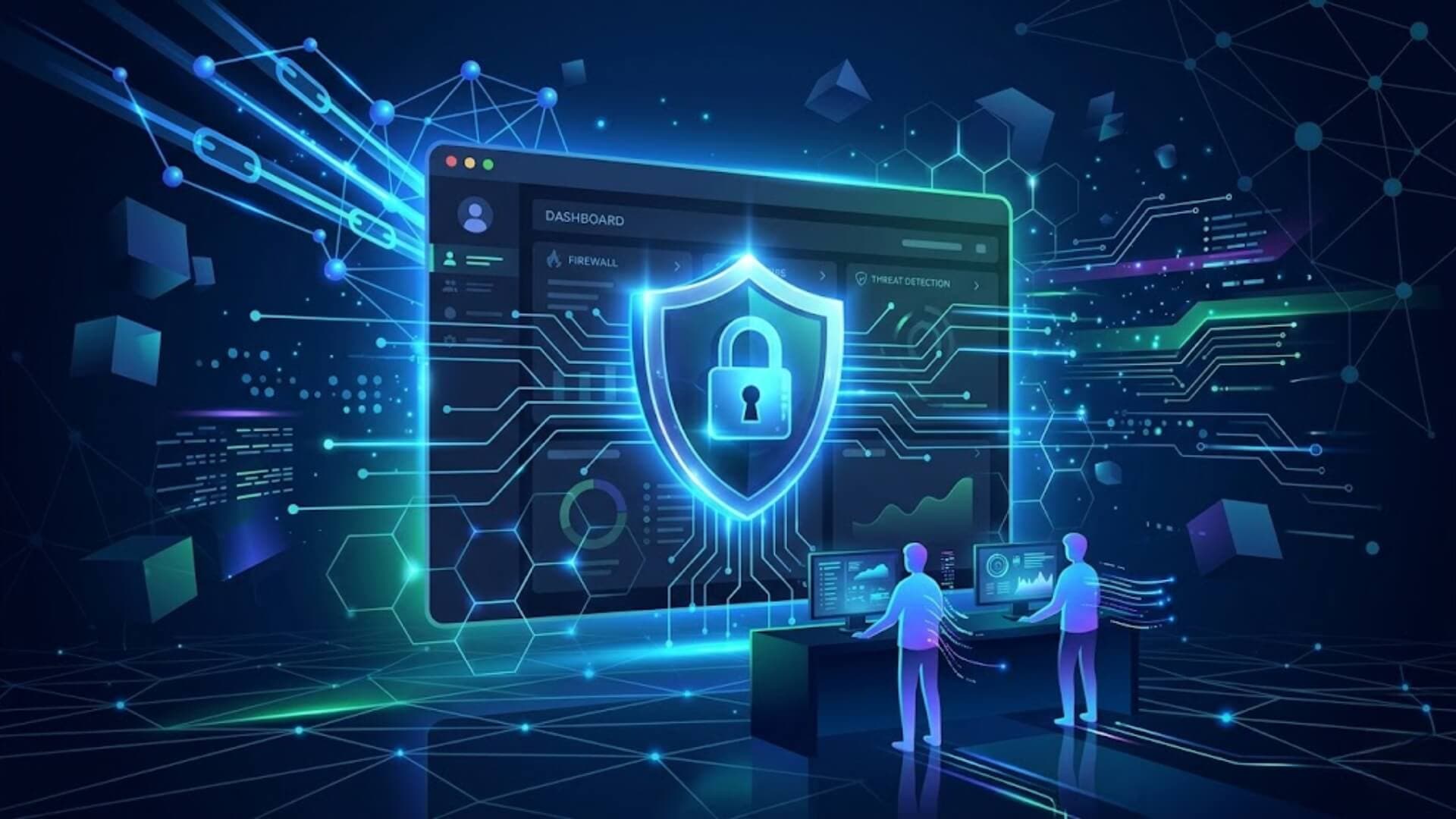
No matter the size of your business, investing in website security is essential to ensure long-term stability and trust. Cyber threats are not limited to large corporations, small and medium-sized websites are increasingly becoming prime targets due to weaker defenses and limited recovery resources.
Securing a website goes beyond preventing attacks; it also involves preparing for the worst-case scenario. A well-protected website combines proactive defense measures with a solid recovery plan to minimize damage and maintain business continuity. In this article, you’ll learn what website security is and how to implement effective strategies to keep your website safe from modern cyber threats.
What is website security?Link to heading

Website security refers to the practices, methods, and protocols used to protect a website and the data it stores or processes. Effective website security is designed to reduce the risk of a wide range of cyber threats, including DDoS attacks, SQL injection, malware infections, and other forms of unauthorized access.
The impact of cyber threats can be severe and far-reaching. A successful attack can lead to major financial losses through reduced revenue, downtime, and the cost of fixing security issues. It can also damage a company’s reputation, especially when poor media coverage leads to a loss of customer trust.
In some cases, weak website security can also create regulatory risks, including significant fines for failing to protect personal identifiable information (PII) in line with requirements such as GDPR or HIPAA.
Why is website security important?Link to heading
Implementing website security measures is essential for protecting businesses from cyber attacks. Preventing threats from reaching your site helps organizations:
- Protect sensitive data: Websites often store or process private information such as names, addresses, phone numbers, and financial details, including credit card data. If this information is exposed, the result can be a serious loss of customer trust, legal consequences, and financial damage.
- Avoid business disruption: Attackers can slow down performance or take a website offline through bot attacks or DDoS attacks, creating major interruptions to daily operations. For ecommerce businesses, this can lead to lost sales, unhappy customers, and expensive recovery efforts.
- Meet regulatory requirements: Many businesses must follow federal and international compliance rules, including HIPAA, Payment Card Industry standards, and GDPR. Failing to meet these obligations can lead to heavy fines, penalties, and reputational harm.
- Improve SEO and website visibility: Search engines such as Google and Bing may rank down infected or unsecured websites. By strengthening website security, businesses can improve their SEO performance, support proper indexing, and maintain stronger visibility in search results.
Common website security threatsLink to heading

Understanding common threats is a crucial step in improving website security. Each type of attack targets different vulnerabilities, but all can cause serious damage if not properly prevented.
Data breachesLink to heading
A data breach occurs when confidential information is exposed, either accidentally or through malicious attacks. Cybercriminals often target websites and web applications to steal sensitive data such as financial records, medical information, customer details, or private communications.
The consequences go beyond immediate financial loss. Businesses may face lawsuits, regulatory penalties, and long-term reputational damage. As data protection laws become stricter worldwide, failing to secure user data can result in significant legal and financial risks.
DoS and DDoS attacksLink to heading
A Denial of Service (DoS) attack attempts to shut down a website by overwhelming its server with excessive traffic. A more advanced version, Distributed Denial of Service (DDoS), uses multiple sources to flood the system simultaneously, making it much harder to block.
These attacks can cause website downtime, slow performance, and major business disruption, especially for ecommerce platforms that rely on continuous availability.
RansomwareLink to heading
Ransomware is a type of malicious software that locks access to a website or its data until a ransom is paid. Attackers encrypt files and demand payment, often in cryptocurrency, in exchange for a decryption key.
This threat has grown rapidly, especially among small and mid-sized businesses. The rise of “Ransomware as a Service” (RaaS) has made it easier for non-technical attackers to launch sophisticated attacks, increasing both frequency and impact.
Cross-Site Scripting (XSS)Link to heading
Cross-site scripting (XSS) occurs when attackers inject malicious scripts into a website’s code. When executed, these scripts can steal user data, hijack sessions, or allow attackers to impersonate legitimate users. XSS attacks exploit weak input validation and can compromise both website functionality and user trust.
SQL and Code InjectionsLink to heading
SQL injection (SQLi) is a technique where attackers insert malicious SQL code to manipulate a website’s database. By bypassing the application layer, hackers can access, modify, or delete sensitive data stored in the database. This type of attack is particularly dangerous because it directly targets the core data infrastructure of a website, often leading to data loss or unauthorized data exposure.
Stolen passwordsLink to heading
Passwords remain one of the most common points of failure in website security. Attackers use automated tools to guess passwords or exploit weak and default credentials. If hackers gain access to administrator accounts, they can fully control the website, altering content, stealing data, or even rendering the site unusable. Strong authentication practices are essential to prevent this type of breach.
Website Security best practicesLink to heading

Be proactive about website security. You do not need to wait while attackers cause damage across your websites.
There are many simple and effective ways to reduce risk, such as applying security patches regularly, updating outdated software, and enabling automatic backups for your data. These steps may seem basic, but they play an important role in preventing hacking attempts and strengthening overall website security.
Securing a website can be complex, but the following measures can help lower your website security risk and keep your site better protected.
Keep software and security patches up to dateLink to heading
Always keep your software updated. In many cases, website attacks begin through the Content Management System (CMS). Common CMS platforms include WordPress, Joomla, and Magento.
Turn on update alerts so you know when Microsoft, WordPress, or another software vendor releases a patch or security improvement. These updates are often issued after a new vulnerability is discovered, so responding quickly is essential for website security.
Add SSL and HTTPSLink to heading
Use SSL certificates and HTTPS to protect sensitive data on your website. Mailchimp’s website builder, for example, includes an option to add SSL encryption that helps secure financial transactions. HTTPS, or Hypertext Transfer Protocol Secure, encrypts information that should remain private, such as payment details or medical records.
Require complex passwords and regular changesLink to heading
Strong passwords that are changed regularly are one of the simplest and most effective ways to improve website security. A secure password should contain more than just letters. Use a mix of uppercase and lowercase characters, numbers, and symbols, and avoid anything connected to your personal information.
When available, enable multi-factor authentication as well. Even if it adds one extra step, it creates a major barrier for hackers and bots trying to break into your website.
Restrict administrative privilegesLink to heading
The fewer people who have admin access, the easier it is to manage and monitor user activity. When an employee leaves your company, especially after termination, review their permissions immediately and disable their account if needed.
Not everyone who works on your website needs administrative rights. Give access only based on what each person must do. If someone needs temporary access for a specific project, you can grant the necessary permissions for that period and remove them afterward. This is a practical way to strengthen website security without creating unnecessary risk.
Adjust default configurationsLink to heading

Default settings are usually identical for all users of a software application or hardware system. This creates a potential risk, as attackers are often familiar with these standard configurations and may exploit them to gain access.
For stronger website security, it is essential to modify default usernames, passwords, and system settings immediately after installation. Taking this simple step can significantly reduce the likelihood of unauthorized access.
Maintain regular backupsLink to heading
A well-protected website always includes a reliable backup strategy. Backing up your data ensures that you can quickly restore your website in the event of a cyberattack, system failure, or data corruption. Many modern platforms provide automated backup options, which are highly recommended to avoid human error or oversight.
Equally important is storing backups in a secure location separate from your main website environment. If attackers gain access to your hosting account, they may also compromise your backups. Keeping offline copies provides an additional layer of protection and allows you to recover your data without relying on attackers, especially in cases involving ransomware.
Use a web application firewall (WAF)Link to heading
A web application firewall is a critical component of effective website security. It functions as a protective barrier between your website and incoming internet traffic, monitoring and filtering requests before they reach your application. By analyzing HTTP traffic, a WAF can detect and block malicious attempts such as cross-site scripting (XSS) and SQL injection attacks.
For websites that process sensitive information, particularly eCommerce platforms handling payment data, implementing a WAF also supports compliance with industry security standards and regulations.
W7SFW is a WordPress firewall solution designed to protect websites from the outside layer. With W7SFW, your website can be safeguarded against threats such as brute force attacks, malicious bots, and vulnerability exploitation. Unlike many traditional solutions, W7SFW operates using a proactive security approach, controlling incoming traffic from the very beginning to minimize risks and optimize overall website performance.
If you own a WordPress website, this is the right time to activate W7SFW.
Enable multi-factor authentication (MFA)Link to heading
Adding multi-factor authentication strengthens access control by requiring more than just a password. Users must verify their identity through an additional method, such as a one-time code, authentication app, or mobile notification. This significantly enhances website security, as it prevents unauthorized access even if login credentials are compromised.
Incorporating MFA alongside data encryption further improves overall protection. Website owners, especially small businesses, should prioritize making their systems less accessible and less attractive to attackers. Even basic security measures, when applied consistently, can greatly improve the resilience and safety of a website.
Regularly monitor logs and run security auditsLink to heading

Keeping your website updated is important, but it is not enough on its own. To maintain strong website security, you also need to review and improve your security measures on a regular basis so you can stay ahead of phishing attacks and other threats.
A good place to start is by monitoring your logs and performing routine security audits. These checks help you identify weak points in your IT environment before attackers can take advantage of them. Review areas such as your website server settings, core files, and user access permissions to make sure everything is properly configured. This kind of ongoing review helps make your website safer for your business and more reliable for your visitors.
Use a Content Delivery Network (CDN)Link to heading
A content delivery network is often used to improve website speed and performance, but it can also support website security. Many CDNs include DDoS protection, which helps defend your site against traffic-based attacks.
Because a CDN is designed to manage large volumes of traffic, it can absorb and distribute the sudden surge caused by a DDoS attack. This keeps your origin server from becoming overloaded and helps your website stay online even during an attack.
Limit the sensitive information you collect and storeLink to heading
Many businesses need to collect and store personal data in order to operate effectively. This may include names, addresses, social security numbers, credit card details, phone numbers, and passwords. These types of data are often necessary for payroll, order processing, account management, and other essential business tasks. The key question is how to keep this information secure.
A practical first step is to organize your databases and review what data you currently store. Identify what is still needed and remove anything that no longer serves a clear business purpose. From that point forward, only keep the information that is truly necessary. Make sure all sensitive data is encrypted and properly backed up, and do not forget to maintain a clear privacy policy to support your website security practices and compliance efforts.
Educate and train employees on best practicesLink to heading
Whether your business runs on WordPress or a static HTML website, strong website security depends on more than just plugins, tools, or external services. Your employees also play a major role in protecting your site and its data.
Every team member, regardless of role, should understand the basics of secure data handling and online safety. Training sessions on GDPR compliance, password management, phishing awareness, and cybersecurity best practices can make a real difference. Investing in employee education helps reduce mistakes, strengthen security habits, and build a more resilient defense across your organization.
Create a recovery plan before any incident occursLink to heading
Even with strong website security measures in place, cyber attacks can still happen. No system is completely immune, which is why having a clear recovery plan is essential. This plan should outline how to respond quickly, minimize damage, and restore operations. It is also important to review and practice the plan regularly so your team stays prepared and understands their responsibilities in a real situation.
Maintaining website security is an ongoing process, not a one-time setup. New vulnerabilities and threats emerge constantly, requiring continuous monitoring and updates. If a breach occurs, your priority should be to restore your website as quickly as possible to reduce downtime and business disruption.
After recovery, carefully analyze the incident to identify the cause and strengthen your defenses, ensuring your website security strategy becomes more resilient against future attacks.
ConclusionLink to heading
Ultimately, effective website security is about building a proactive and resilient system. By combining prevention strategies with a well-prepared recovery plan, businesses can minimize damage, maintain trust, and ensure long-term stability.