10 min read

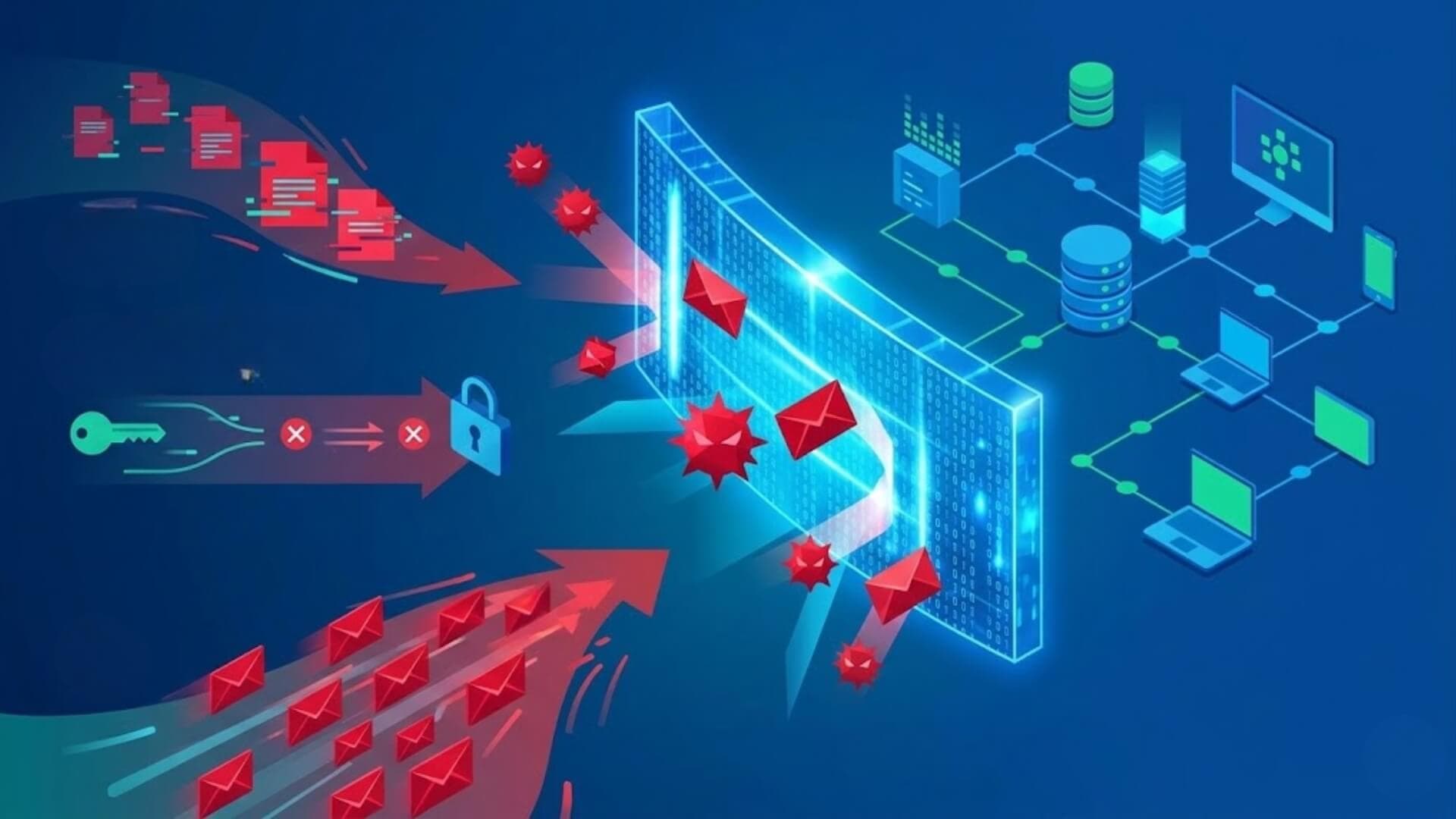
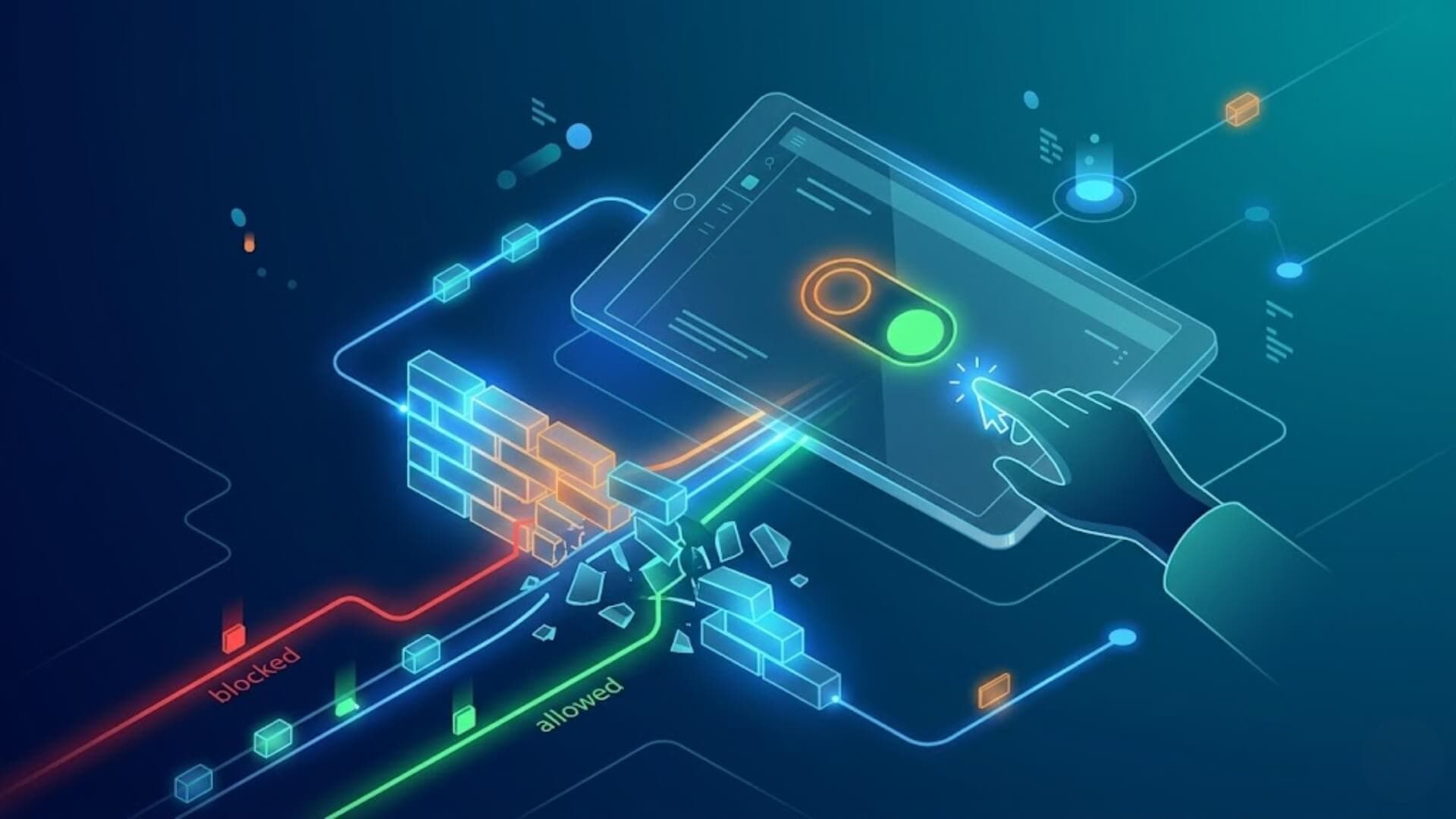
Historically, two-factor authentication (2FA) has been widely implemented with the goal of preventing unauthorized access and reducing risks associated with compromised passwords. However, a growing number of recent security incidents have demonstrated that bypassing two-factor authentication is entirely possible, even in systems that are widely perceived as secure.
From phishing attacks that simultaneously capture passwords and OTP codes, SIM swapping that takes control of phone numbers, to session hijacking that silently circumvents 2FA, these attack techniques are pushing many organizations into a state of “false security” without them even realizing it.
This article aims to help you clearly understand the nature of attacks that bypass two-factor authentication, the often-overlooked vulnerabilities behind them, and why simply enabling 2FA is no longer sufficient in today’s digital environment.
What is two-factor authentication bypass?Link to heading

Two-factor authentication bypass refers to any method attackers use to evade or circumvent the two-step verification process without genuinely possessing a valid second authentication factor. In simple terms, it is the act of successfully logging into an account even though the system still requires a 2FA step.
This situation occurs when attackers exploit weak verification mechanisms, trick users into voluntarily providing authentication codes, or take advantage of vulnerabilities within the authentication system itself. Two-factor authentication is designed to add an extra layer of protection to user accounts.
Accordingly, users are required to provide two different elements: something they know, such as a password, and something they have, such as an OTP sent via SMS or generated by an authenticator app.
Although this model is significantly more secure than relying on passwords alone, it is not an absolute solution. Weak 2FA channels like SMS or email can be intercepted, stolen, or taken over. Human error creates opportunities for sophisticated social engineering attacks. In addition, many legacy systems still lack advanced protective mechanisms, leaving them incapable of withstanding modern cybersecurity threats.
Why do attackers target two-factor authentication?Link to heading
Two-factor authentication is considered a critical security barrier that protects high-value accounts and systems. Once this defensive layer is bypassed, attackers can easily gain access to internal corporate data as well as sensitive customer information. There are several reasons why hackers specifically focus on bypassing two-factor authentication, including:
- Widespread enterprise adoption: Most organizations today mandate two-factor authentication for critical systems, making it an unavoidable target for attackers seeking account takeover.
- User reliance on weak methods: SMS and email-based authentication remains widely used despite known vulnerabilities, making exploitation easier for attackers.
- High value of 2FA-protected systems: Email accounts, banking platforms, and administrative panels store valuable data that hackers consistently target.
- Reusable techniques across platforms: Methods for bypassing 2FA often work across multiple services, enabling attackers to scale their operations efficiently.
- False sense of security: Many organizations believe that enabling 2FA alone provides complete protection, leading to reduced vigilance and weaker security monitoring.
- Low barrier to attack tools: Readily available phishing kits and publicly shared SIM swapping guides have lowered the technical threshold for cybercriminals.
- Limited security awareness: Many users still struggle to recognize advanced phishing tactics or targeted social engineering attacks designed to bypass two-factor authentication.
How attackers bypass two-factor authenticationLink to heading

Attackers employ a wide range of strategies to bypass two-factor authentication, depending on how it is implemented and the overall security maturity of the system. Broadly speaking, these attack methods can be categorized into three main groups based on their approach and technical requirements.
Attacks exploiting human factorsLink to heading
Psychological manipulation and social engineering remain the most effective ways to break authentication mechanisms. Attackers aim to trick victims into revealing authentication codes or unintentionally approving fraudulent login requests. Phishing campaigns often impersonate familiar services to simultaneously collect passwords and verification codes.
These methods exploit trust, urgency, and user inattentiveness, rather than relying on complex technical vulnerabilities.
Exploiting technical weaknesses and system flawsLink to heading
Weaknesses in system design or software flaws can open pathways to bypass two-factor authentication. Malware may record authentication codes, steal tokens, or intercept verification messages directly on the victim’s device. In addition, session hijacking through stolen authenticated cookies allows attackers to access systems without triggering the 2FA step again.
Poorly configured APIs that fail to properly validate authorization are also frequently abused to bypass security controls.
Exploiting weak authentication channelsLink to heading
Insecure methods of transmitting verification codes create opportunities for interception and data theft. SMS messages are often sent over unencrypted channels, making them susceptible to interception or exploitation through carrier-level vulnerabilities. Verification codes sent via email are similarly vulnerable to phishing or account compromise.
Even time-based OTPs are not entirely safe if the system relies on weak random number generation, allowing codes to be predicted or recreated.
Methods used to bypass two-factor authenticationLink to heading

Phishing kits and fake login pagesLink to heading
Pre-built attack toolkits enable cybercriminals to launch highly sophisticated phishing campaigns without requiring deep technical expertise. These tools can replicate the login interfaces of popular services with remarkable accuracy, making it extremely difficult for users to distinguish between legitimate and fraudulent pages.
During an attack, the fake system forwards the login request to the real server in real time while simultaneously recording all information entered by the victim.
How phishing kits bypass two-factor authentication
- Real-time forwarding: The attack tool acts as a proxy, relaying login credentials to the legitimate site and returning the 2FA challenge to the victim, making the entire process appear authentic.
- Session token theft: After the victim completes a legitimate login, the fake system captures the authenticated session cookies and reuses them to gain access without requiring the 2FA code again.
- Fake mobile applications: Malicious apps are designed to closely resemble banking or internal enterprise applications in order to collect authentication codes from users.
- QR code replacement: During the setup of an authenticator app, attackers replace a legitimate QR code with a malicious one, allowing them to take control of the code-generation mechanism.
Social engineering techniques to steal OTP codesLink to heading
Attackers often impersonate trusted organizations to persuade victims to voluntarily disclose verification codes. Fake calls claiming to be from technical support teams may cite security incidents and demand immediate verification. Urgent messages are crafted to apply psychological pressure, causing victims to react hastily and bypass reasonable checks.
Common social engineering scams
- Fake security alerts: Messages warning of suspicious activity and requesting a code to “secure” the account.
- Impersonation of IT staff: Callers pose as technical personnel, requesting authentication codes under the pretext of system maintenance or upgrades.
- Account verification scams: Emails threatening account suspension unless the user provides a code to confirm their identity.
- Payment or invoice pressure: Notifications of failed transactions or urgent payments that push users to enter codes to resolve critical charges.
SIM swapping and SMS OTP interception Link to heading

Attackers can take control of a victim’s phone number to intercept SMS-based verification messages. This technique completely bypasses SMS-based two-factor authentication by redirecting all calls and messages to a device controlled by the attacker. In practice, many high-profile accounts in cryptocurrency, banking, and social media have been compromised through SIM swapping.
How attackers take over phone numbers
Cybercriminals typically contact mobile carriers while impersonating the legitimate subscriber to request a SIM replacement. They use personal information obtained from data breaches or social engineering campaigns. Once approved, the carrier transfers the number to a new SIM. From that moment on, all calls and messages sent to the number are routed directly to the attacker’s device.
Weaknesses in carrier verification processes
Many carriers still rely on relatively easy-to-obtain personal information to verify customer identity. Support staff may accept identification numbers, dates of birth, or account PINs - data that is often already exposed in previous security incidents. In addition, some carriers lack robust mechanisms to detect fraudulent SIM swap requests. Inconsistent security training among support teams further creates opportunities for manipulation by attackers.
Inherent risks of SMS-based 2FA
SMS authentication offers little resistance against attackers who successfully perform SIM swapping. SMS messages travel through mobile networks without strong encryption or authentication. Vulnerabilities in the SS7 protocol allow messages to be intercepted in transit.
Moreover, delays in receiving OTP codes often frustrate users, prompting them to bypass security measures, which inadvertently weakens the overall security of the system.
Session hijacking and cookie theftLink to heading

Attackers can steal authenticated session tokens to access accounts without triggering any additional authentication steps. This method completely bypasses two-factor authentication because the system treats the hijacked session as legitimate and does not require further verification.
Authenticated session theft (No OTP required)
Malware installed on a victim’s device can extract browser cookies containing identifiers for active sessions. Attackers then use these tokens to impersonate the user without knowing the password or generating new authentication codes. XSS vulnerabilities also allow malicious JavaScript to be injected to steal tokens directly from the browser.
Additionally, the use of public Wi-Fi networks increases the risk of session tokens being intercepted through man-in-the-middle attacks.
Man-in-the-browser attacks and malware
Banking trojans often infiltrate browser processes to monitor and interfere with web traffic. They capture authentication tokens as soon as the browser sends data to the legitimate server. Some malware variants wait until the user has fully completed the login process before activating, ensuring the theft of valid sessions.
More advanced threats can even alter transaction content while keeping the displayed interface unchanged, making abnormal activity extremely difficult for victims to detect.
Replay attacks using trusted sessions
Attackers collect and reuse authentication tokens before they expire. Systems that fail to strictly validate token freshness may accept replayed credentials as legitimate. Poor session timeout configurations allow tokens to remain valid for extended periods, significantly increasing the risk of abuse. In addition, network traffic recording tools can store authenticated session exchanges for use in future replay attacks.
MFA fatigue and abuse of push-based authenticationLink to heading
Push-based authentication carries specific risks when attackers repeatedly send fraudulent approval requests to a user’s device. This method does not exploit technical vulnerabilities; instead, it targets human psychology and the fatigue caused by constant interruptions. In reality, many serious security breaches have occurred as a result of the “push bombing” tactic.
Push bombing is an attack technique in which attackers continuously trigger authentication requests via push notifications sent to a victim’s phone. Users may receive dozens or even hundreds of approval prompts within a short period of time. This constant disruption creates frustration and makes it difficult for victims to distinguish between legitimate and malicious requests.

- Night-time attacks: Notifications are sent during sleeping hours to wake victims and reduce their alertness.
- Multi-channel combination: Push notifications are paired with phone calls impersonating support staff to “resolve security incidents.”
- Approval fatigue: Requests are sent relentlessly until the user approves them simply to stop the harassment.
- Scam phone calls: Attackers call directly, claiming the notifications are system errors that must be approved to fix the issue.
Continuous disturbance from repeated notifications creates significant psychological pressure, causing users to want the alerts to stop as quickly as possible. Many believe that approving a request will end the situation. Some victims even assume the prompts are normal system behavior. In addition, certain authentication solutions lack a clear and user-friendly option to deny requests, inadvertently pushing users toward approval.
Exploiting APIs, rate limiting, and OTP vulnerabilitiesLink to heading
Weaknesses in the technical implementation of authentication systems can create opportunities to bypass security controls. Poorly designed APIs and missing security mechanisms often open the door to scanning and brute-force attacks. Such vulnerabilities typically stem from rushed development processes or insufficient security testing.
OTP code prediction due to weak algorithms
Some systems generate OTP codes with low randomness, making them predictable. Attackers analyze patterns in the code generation process to infer future values. Time-based algorithms that rely on fixed seeds allow attackers to calculate codes before they expire. Poor random number generation introduces statistical weaknesses, reducing the effective code space and increasing the likelihood of successful guessing.
Insufficiently protected API endpoints
Certain authentication APIs fail to properly enforce access controls on code verification endpoints. Attackers can discover endpoints that validate codes without applying rate limits or adequate logging. Additionally, returning different error messages for valid versus invalid codes unintentionally leaks information, enabling attackers to narrow down possibilities and guess codes with higher success rates.
Lack of rate limiting enables brute force attacks
When rate limiting is missing or poorly implemented, attackers can attempt an unlimited number of verification codes. Through automation, they systematically test every possible combination until a valid code is found. For example, a six-digit code has only around one million possible values, which can be exhausted in a relatively short time.
Moreover, systems that automatically reset attempt counters after brief delays further facilitate persistent and prolonged brute force attacks.
Why two-factor authentication is still not enoughLink to heading

Traditional two-factor authentication models contain structural weaknesses that determined attackers can exploit. Recognizing these limitations helps explain why many organizations are forced to adopt stronger authentication methods better suited to the modern threat landscape.
Over-reliance on SMS and OTP codesLink to heading
SMS is widely regarded as the weakest form of 2FA, yet it remains commonly deployed in practice. Many organizations prioritize convenience and rapid implementation despite long-standing security warnings.
Critical weaknesses of SMS and OTP
- Unencrypted transmission: Messages travel through carrier infrastructure without end-to-end encryption.
- SIM swapping risk: Attackers take control of phone numbers to receive all verification codes.
- Phishing susceptibility: Users enter codes into fake websites believing they are authenticating legitimate services.
- Short validity periods: Brief code lifespans cause frustration, leading users to bypass or weaken security procedures.
Lack of phishing resistanceLink to heading
Conventional two-factor authentication mechanisms lack the ability to reliably tell the difference between a genuine login request initiated by a legitimate user and a malicious authentication attempt generated by an attacker. Users may unknowingly enter codes into attacker-controlled systems without realizing they are being deceived.
Common phishing weaknesses in 2FA
- Real-time relaying: Codes are forwarded immediately to the legitimate service after being entered on fake sites.
- Social engineering success: Users accustomed to entering codes often comply automatically with fraudulent prompts.
- No origin binding: Codes remain valid regardless of which website or application receives them.
- Limits of user training: Even security-aware individuals can fall victim to sophisticated phishing campaigns.
Human error and social engineeringLink to heading

Humans remain the weakest link in authentication chains. Exploiting user psychology is often far easier than launching purely technical attacks.
Human factors that enable authentication bypass
- Compliance with authority: Users tend to follow requests from individuals perceived as having authority or official roles.
- Manufactured urgency: Time pressure pushes users to make rushed decisions, skipping proper verification steps.
- Exploitation of familiarity: Attackers impersonate known contacts or frequently used services to lower suspicion.
- Fatigue and distraction: When exhausted or multitasking, users are more likely to make security mistakes.
Incomplete or misconfigured MFA deploymentLink to heading
Inconsistent multi-factor authentication rollouts leave dangerous gaps in system security. Some applications enforce 2FA, while others still rely solely on passwords.
Configuration issues that increase risk
- Inconsistent enforcement: Critical systems can still be accessed through legacy applications that lack modern security protections.
- Privileged account exceptions: Administrative accounts are excluded from two-factor authentication for convenience, increasing the impact of potential compromises.
- Weak fallback mechanisms: Alternative authentication methods become additional attack paths.
- Poor token management: Long-lived session tokens reduce the effective frequency of reauthentication.
Shared devices and lack of personal phonesLink to heading
Frontline employees using shared workstations often struggle with phone-based 2FA. Many do not have personal devices available to receive verification codes.
Authentication challenges on shared devices
- Credential sharing: Employees share codes or leave systems logged in during shift changes.
- SMS code delays: Verification messages arrive late or on the wrong device, disrupting workflows.
- Loss of accountability: Shared authentication makes it difficult to trace individual user actions.
- Workflow impact: Authentication friction reduces efficiency in fast-paced, time-sensitive environments.
How to prevent two-factor authentication bypassLink to heading

Deploy phishing-resistant authentication (FIDO2, Passkeys)Link to heading
Cryptography-based and phishing-resistant authentication methods bind credentials to specific domains, effectively neutralizing phishing attacks. FIDO2 uses public key cryptography, making credentials impossible to intercept, copy, or replay.
Implementation approaches:
- WebAuthn integration: Apply web authentication APIs that browsers verify cryptographically.
- Platform authenticators: Enable built-in biometric authentication on phones and computers.
- Security key distribution: Provide hardware security keys for high-risk users and privileged accounts.
- Passkey adoption: Deploy synchronized credentials that allow seamless login across multiple devices.
Use device-based biometrics for workforce loginLink to heading
Biometric authentication ties access to users’ physical characteristics, which attackers cannot easily replicate. Fingerprint and facial recognition offer both convenience and a high level of security. In frontline industries, biometric authentication platforms represent one of the strongest authentication factors, effectively eliminating phishing risks.
Biometric deployment strategies:
- Native device support: Leverage fingerprint sensors and facial recognition available on modern devices.
- Liveness detection: Implement mechanisms to prevent spoofing with photos or videos.
- Privacy protection: Process biometric data locally without transmitting or storing raw biometric information.
- Fallback options: Provide alternative authentication methods for biometric failures or accessibility needs.
Avoid SMS and OTP for high-risk systemsLink to heading
For sensitive systems where breaches have severe consequences, SMS-based authentication should be eliminated. This method should be reserved only for low-risk scenarios requiring basic authentication.
Alternative approaches:
- Authenticator apps: Use time-based OTP generators that function offline.
- Push notifications: Rely on verified mobile application channels instead of vulnerable SMS.
- Email verification: Send codes to secured email accounts for medium-security use cases.
- Backup codes: Provide printable recovery codes that can be stored securely for emergency access.
Enforce risk-based and continuous authenticationLink to heading

Authentication requirements should be evaluated dynamically based on user context and behavior. Continuous monitoring helps detect anomalies and trigger additional verification when necessary.
Adaptive authentication elements:
- Location analysis: Challenge logins from unusual geographic locations or implausible travel patterns.
- Device fingerprinting: Require extra verification when access originates from unfamiliar or suspicious devices.
- Behavioral analysis: Monitor typing patterns, navigation habits, and usage timing to detect deviations.
- Network context: Apply stricter controls to connections from anonymous or high-risk networks.
Securing sessions with monitoring, tokens, and certificate bindingLink to heading
In addition to strong initial authentication, authenticated sessions must be protected with technical measures to prevent token theft and replay attacks. Session security plays a critical supporting role in the overall authentication system.
Session protection measures:
- Short token lifetimes: Sessions expire quickly, requiring periodic reauthentication.
- Certificate binding: Sessions are bound to client-side certificates to prevent token reuse.
- Real-time monitoring: Alerts are triggered when suspicious activities are detected, such as data access outside normal behavior patterns.
- Secure cookie configuration: The HttpOnly, Secure, and SameSite attributes are applied to prevent unauthorized access via JavaScript.
Deploying W7SFW for WordPress websites
Alongside modern authentication methods, combining strong authentication with a web application firewall is the most comprehensive and practical approach for WordPress. W7SFW (WordPress Firewall) is built on this principle: it goes beyond simply blocking unauthorized access by tightly controlling user authentication from the very first layer.
When W7SFW is activated, a WordPress website is protected by a proactive firewall that blocks bots, brute-force attacks, and exploitation attempts before they even reach the login page. In addition, W7SFW integrates a modern Two-Factor Authentication model based on “Extension + Password”, requiring users to authenticate through a dedicated browser extension in addition to their regular password.
This form of two-factor authentication effectively eliminates the common risks associated with SMS OTPs, email-based OTPs, and abused push notifications.
>>> Don’t wait until your website is compromised to fix security gaps - take a proactive approach by activating W7SFW today!
ConclusionLink to heading
Overall, two-factor authentication remains a critical security foundation, but when implemented incorrectly, it can create a false sense of safety and become a serious vulnerability. Attacks that successfully bypass two-factor authentication clearly demonstrate that modern security requires more than just a single additional layer of protection.
For WordPress websites, deploying W7SFW provides a more comprehensive defensive layer - blocking attacks at the perimeter while significantly reducing the real-world risk of two-factor authentication bypass.