10 min read
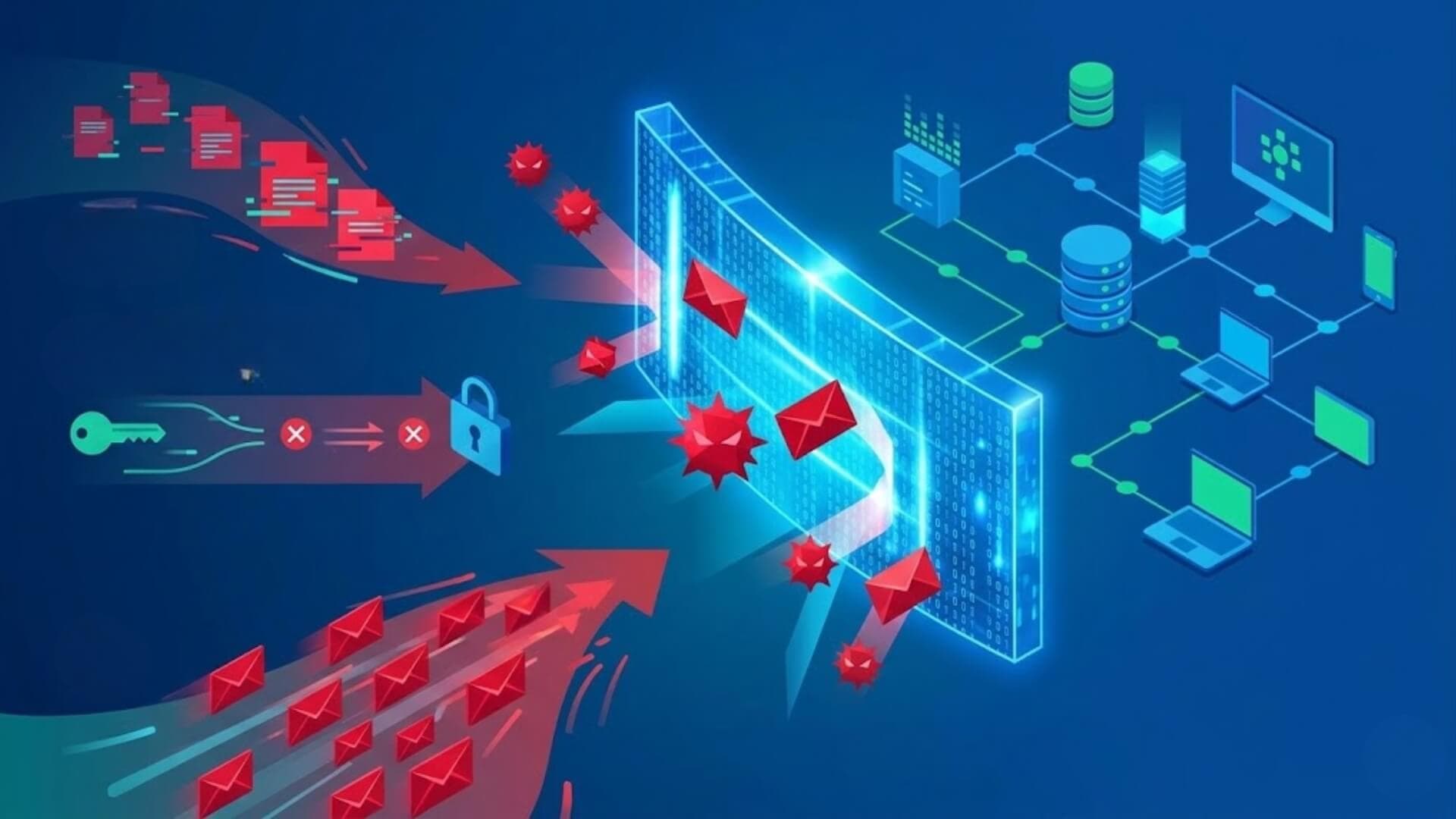
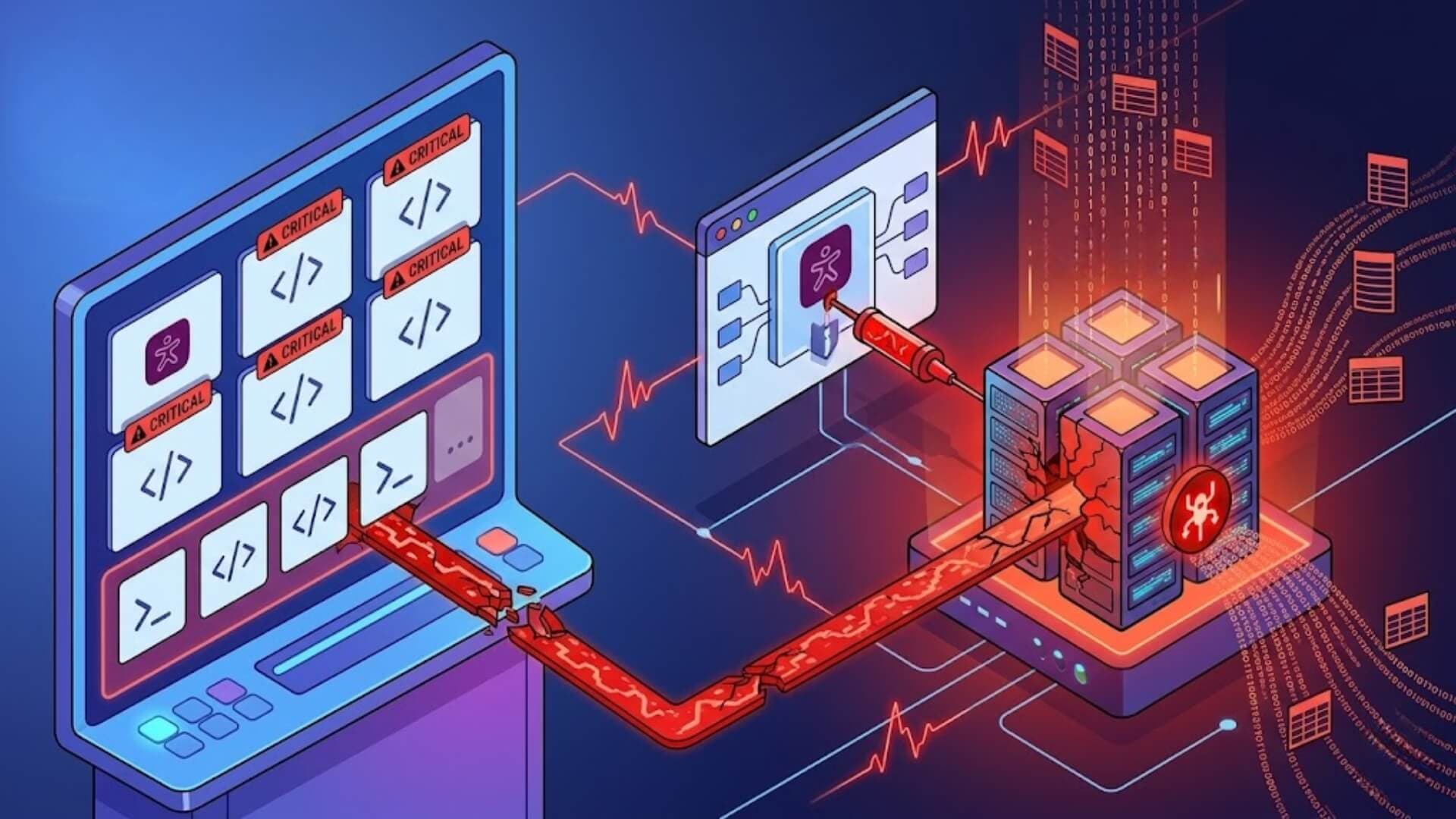
Firewalls act as the first line of defense between your internal network and the public internet. They inspect incoming and outgoing traffic, blocking harmful requests while allowing legitimate data to pass through. Because they control this critical gateway, firewalls play a central role in protecting systems, applications, and sensitive information.
However, a firewall is only as strong as its configuration and management. Setup mistakes, outdated rules, and increasingly sophisticated cyberattacks can weaken its effectiveness and create hidden security gaps. In this article, we’ll break down the most serious firewall threats organizations face today.
Why protecting your firewall mattersLink to heading

A firewall serves as the primary defense line between outside threats and your organization’s internal network. Every business must stop malware infections and block unauthorized access attempts. The most effective way to accomplish this is through intelligent traffic filtering that distinguishes legitimate activity from malicious behavior.
A properly configured firewall performs this function by continuously inspecting and controlling network traffic according to defined security policies.
Keeping a firewall operating effectively is essential for overall network security. If firewall protections fail or are mismanaged, security teams lose visibility and control over the traffic reaching critical systems and data. In such situations, networks become highly vulnerable to Distributed Denial of Service (DDoS) attacks that can overwhelm infrastructure and disrupt operations.
At the same time, data-stealing malware can infiltrate applications and remain undetected, extracting sensitive information without the awareness of administrators.
A firewall should never be treated as a tool that can be deployed once and ignored. It requires ongoing updates, regular policy reviews, security audits, and configuration adjustments to remain effective against evolving threats. With a structured maintenance strategy and consistent oversight, IT teams can maintain strong perimeter defenses and ensure continuous protection against external risks.
Top firewall vulnerabilitiesLink to heading
The first step in reducing firewall threats is clearly understanding the risks that firewalls face in modern network environments. Security managers need this awareness to properly evaluate their defenses and identify weaknesses before attackers exploit them. By recognizing common firewall threats, organizations can perform accurate risk assessments and strengthen their overall security posture.
Below are several critical vulnerabilities that should always be considered.
Insider attacksLink to heading
Some of the most serious firewall threats originate from inside the organization. Employees, contractors, or partners with excessive access privileges can bypass perimeter protections without triggering firewall restrictions. Once they gain access to internal systems, they may intentionally or accidentally expose sensitive data, disrupt operations, or damage digital assets.
Insider-related firewall threats highlight the importance of network segmentation within the firewall boundary. Businesses can deploy cloud-based firewalls to divide the network into separate trust zones and enforce the principle of least privilege. By limiting user access to only necessary systems, companies reduce lateral movement, also known as east-west traffic, and minimize the potential impact of insider activity.
DDoS attacksLink to heading
Mitigating Distributed Denial-of-Service (DDoS) attacks remains one of the primary responsibilities of a firewall. These firewall threats involve overwhelming a network with massive volumes of traffic generated by malicious sources. Attackers flood systems with connection requests or data packets to exhaust resources and disrupt services.
Without properly configured filtering and rate-limiting controls, excessive traffic can disable critical infrastructure, cause extended downtime, and even result in data corruption or loss. Effective DDoS protection is essential to defend against these high-volume firewall threats and maintain business continuity.
Poorly implemented security controlsLink to heading

Modern firewalls typically include advanced security features designed to address evolving firewall threats. For example, next-generation firewalls may offer anti-spoofing mechanisms, deep packet inspection, and intrusion prevention capabilities to detect malicious traffic patterns.
However, these controls are not always enabled or properly configured. In many cases, administrators are unaware of certain features or fail to implement them fully. When available protections are left unused, the firewall cannot operate at its full capacity. As a result, firewall threats that could have been blocked may pass through undetected, leaving the network exposed.
Inadequate firewall updatesLink to heading
Firewall vendors regularly release firmware and security updates to defend against emerging firewall threats. These updates address newly discovered vulnerabilities, improve detection engines, and adapt to evolving attack techniques.
Despite this, organizations sometimes delay or ignore updates due to operational concerns or limited resources. Skipping updates creates serious security gaps. Attackers constantly refine their methods, and outdated firewalls may fail to recognize new malicious patterns. In extreme cases, a firewall can become ineffective in a short period as threat actors deploy new tools and tactics.
Security teams must treat firewall updates as a top priority. Automating patch management and firmware upgrades helps ensure protection remains current and resilient against continuously evolving firewall threats.
Poor documentation and limited awarenessLink to heading
Effective firewall management requires clear understanding of filtering rules and overall network architecture. When responsible staff leave without proper documentation, that knowledge disappears, increasing firewall threats across the organization.
Security teams should maintain detailed logs, updated rule descriptions, and clear records of all applications. Proper documentation ensures smooth handovers and prevents teams from rebuilding firewall policies from scratch, which wastes time and increases exposure to firewall threats.
Weak inspection capabilitiesLink to heading
Firewalls rely on traffic inspection to identify suspicious activity. However, there is a major difference between basic packet filtering firewalls and next-generation firewalls (NGFWs) that use deep packet inspection (DPI).
Packet filtering only examines surface-level packet information, blocking limited threats and remaining vulnerable to IP spoofing. DPI operates at layer 7, analyzing packet content in depth. NGFWs with DPI significantly reduce firewall threats by detecting advanced attacks and preventing spoofing techniques.
MisconfigurationLink to heading
Many firewall threats result from simple configuration errors. Leaving default passwords unchanged makes hardware firewalls easy targets. Weak credential management allows attackers to gain access and move deeper into network resources.
Compatibility issues can also create firewall threats. For example, integrating next-generation firewalls with intrusion detection systems (IDS) may generate excessive traffic. This can reduce performance, create bottlenecks, and weaken overall firewall effectiveness, opening new vulnerabilities within the network.
Tips for conducting a firewall risk assessmentLink to heading

A firewall risk assessment reviews firewall configurations to ensure they effectively reduce critical security exposures, including emerging firewall threats and regulatory risks. The goal is to confirm that firewall policies, rules, and architecture are aligned with current security standards and capable of defending against modern attack techniques.
A well-executed assessment identifies all relevant firewall threats and provides clear recommendations to minimize them. Without a structured evaluation, organizations cannot demonstrate proper risk management or prove compliance during audits. They also lack full visibility into weaknesses within their firewall environment. For this reason, understanding how to assess firewall threats and related vulnerabilities is essential for security teams.
A comprehensive firewall risk assessment should define a set of security controls designed to address major firewall threats. For every control implemented, security teams must clearly document:
- The objective of the control
- How the control operates within the network
- The measurable benefits it provides
Risk prioritization is another critical step. Security teams should classify firewall threats as high, medium, or low priority. High-risk firewall threats require immediate attention because they present the most serious danger to sensitive data and business operations. These risks should receive the majority of assessment resources and remediation efforts.
A practical approach is to divide the firewall risk assessment into core focus areas. The following structured steps help ensure all firewall threats are properly evaluated and mitigated.
Develop a change management strategyLink to heading
Firewall risk assessments often require updates to security policies, configurations, and infrastructure. Addressing firewall threats may involve modifying rule sets, restructuring network segmentation, or upgrading firewall firmware. Without a formal change management strategy, teams risk introducing new vulnerabilities while attempting to resolve existing ones.
When building a change management plan, consider the following questions:
- Who is responsible for overseeing the process? Are authorized personnel assigned to implement changes?
- Can firewall performance be tested at each stage to confirm that security improvements do not disrupt operations?
- Are all configuration changes documented for compliance purposes? Each adjustment should be linked to a specific individual to maintain a clear audit trail.
- Are relevant stakeholders informed and supportive of the changes? Have required approvals been obtained?
- Is there a realistic timeline to complete the firewall risk assessment and address identified firewall threats?
A structured change process reduces the likelihood of misconfigurations, which are a common source of firewall threats.
Evaluate physical security controlsLink to heading
For organizations using hardware firewalls, physical protection must be part of the assessment. Firewall appliances should be secured against tampering, sabotage, or unauthorized access, as physical compromise can bypass logical security controls and create serious firewall threats.

Key questions to address include:
- Are firewall devices updated with the latest patches and firmware to protect against known vulnerabilities?
- Has the operating system been hardened according to security best practices?
- Are maintenance and inspection procedures consistently followed?
- Are firewall and proxy devices protected from environmental damage or unauthorized physical access? Is entry restricted to approved personnel only?
- Is there an updated list of individuals authorized to access firewall locations?
Physical weaknesses can lead to configuration manipulation or service disruption, increasing exposure to firewall threats. Including physical security in your risk assessment ensures that both technical and environmental risks are properly managed.
Inspect the rule base underlying your firewall architectureLink to heading
Every firewall relies on a rule base to block unwanted traffic. This rule set can be organized and efficient, or overly complex and disordered. Firewalls perform best with clear, streamlined policies, so simplifying the rule base should be a priority to reduce firewall threats.
Key clean-up actions include:
- Eliminating or disabling unnecessary firewall rules.
- Removing expired objects from the rule set.
- Identifying duplicate rules and merging them to improve efficiency.
- Applying consistent, simplified naming conventions.
- Logging all rule modifications.
- Reviewing overly permissive rules that expose the network to firewall threats.
- Removing unused connections, accounts, or user groups.
Excessive complexity increases firewall threats. Over time, rule sets expand, leading to duplication and gaps in control. Regular cleanup simplifies audits, improves visibility, and helps security teams enforce accurate policies.
Assess firewall rules in relation to regulatory goalsLink to heading
Next, conduct a structured risk assessment focused on firewall threats. Evaluate whether firewall rules align with regulatory standards such as PCI-DSS or HIPAA.
Each organization operates within a specific compliance framework. Select the relevant standards and use them to measure exposure to firewall threats. Rank firewall rules based on their likelihood of causing compliance violations, then build mitigation strategies accordingly.
Common review areas include:
- Verifying that configuration and rule changes were implemented correctly.
- Logging all rule updates and hardware modifications.
- Identifying systems directly exposed to the internet and justifying their access.
- Ensuring firewall rules align with internal security policies.
- Reviewing connections between DMZs and internal networks.
- Detecting rules that may allow malicious traffic.
- Assessing physical security controls that protect firewall infrastructure.
Document all identified firewall threats in a risk register. Prioritize each issue, define mitigation steps, assign deadlines, and schedule follow-up audits to confirm resolution.
Risk auditingLink to heading
The final step is establishing continuous auditing processes. Audits demonstrate ongoing compliance, show regulators that firewall threats are actively managed, and highlight areas for improvement.
To build a strong audit framework:
- Follow established change management procedures.
- Automate audit processes where possible to reduce errors.
- Set alerts for emerging firewall threats, regulatory updates, or infrastructure changes.
- Schedule regular firewall audits and penetration tests.
- Document all alerts, findings, and corrective actions, and store backups securely.
Best practices to reduce risks linked to firewallsLink to heading

When performing a risk assessment and mitigation process, several important factors should always be considered. The following firewall security best practices will help reduce exposure to firewall threats, strengthen overall defenses, and protect your network perimeter.
Document and understand your firewall architectureLink to heading
During system changes or upgrades, it is essential to clearly understand how firewalls are integrated within your network architecture. Build a detailed diagram that shows where firewalls are deployed and how they connect different networks, segments, applications, and devices.
This visibility allows security teams to apply rules accurately, evaluate traffic flows, and test policies effectively. A well-structured architecture map also helps identify weak points that may increase exposure to firewall threats.
Centralize firewall managementLink to heading
Once firewall deployments are clearly mapped, organizations can implement centralized management. Consolidate all firewall devices under a unified control platform, regardless of whether they come from one vendor or multiple providers. Centralized oversight improves consistency in rule enforcement and simplifies monitoring.
The firewall management interface should be protected through a separate and dedicated network whenever possible. Isolating management access reduces the likelihood of unauthorized entry and protects a critical control point that attackers often target.
Keep firewall software updatedLink to heading
Regularly updating firmware and operating systems is a fundamental part of any firewall security review. Ensure that all hardware appliances and virtual firewall solutions are running the latest stable versions. Patches address vulnerabilities that attackers may exploit to bypass defenses. Where possible, use automation to deploy updates efficiently and reduce the risk of overlooked security gaps that can increase firewall threats.
Disable insecure protocolsLink to heading
Certain communication protocols create unnecessary risks, especially for internet-facing systems. Disable services such as Simple Network Management Protocol (SNMP) and telnet if they are not required. Avoid unsecured FTP connections and replace them with encrypted alternatives. Eliminating outdated or insecure protocols reduces entry points that attackers can use to exploit firewall configurations.
Back up firewall configurationsLink to heading

Losing firewall rules or configuration data can cause operational disruption and create security weaknesses. Perform regular backups of firewall databases and rule sets to ensure rapid recovery in case of failure or compromise. Maintaining reliable backups also supports forensic investigations after security incidents.
Some organizations work with specialized firewall management providers to securely log configuration data for deeper analysis when responding to firewall threats.
Conduct regular firewall auditsLink to heading
Ongoing monitoring is necessary to confirm that firewall rules remain accurate, relevant, and aligned with business needs. Schedule periodic audits to review performance, track configuration changes, and detect policy violations. When issues are identified, corrective actions should be implemented promptly. Maintain audit documentation to meet compliance requirements and regulatory standards.
Testing plays a critical role in firewall audits. Use path analysis tools to validate existing rules and confirm they function as intended. Testing can also reveal redundant objects or duplicate rules, allowing teams to streamline configurations and improve operational efficiency while reducing exposure to firewall threats.
Restrict administrative privilegesLink to heading
Administrative access is necessary for managing firewall settings, but it should be tightly controlled. Grant elevated privileges only to authorized personnel and limit access based on defined roles. Log all administrative activities, including access requests and configuration changes. Detailed logging ensures accountability and provides evidence if suspicious behavior or internal firewall threats emerge.
Enforce strict traffic filtering policiesLink to heading
Adopt a default-deny strategy that blocks all traffic unless explicitly permitted. Build access policies carefully, allowing only verified and authorized users to send or receive data. Define user roles clearly and assign permissions according to job responsibilities. Specify which traffic types are acceptable for each role to minimize unnecessary exposure. Strong filtering policies significantly reduce the risk of both internal and external firewall threats.
Close unused portsLink to heading
Open TCP and UDP ports expand the attack surface and make it easier for port scanners to identify potential vulnerabilities. Unnecessary open ports increase the likelihood of intrusion attempts and exploitation. Close all ports that are not actively required for operations and regularly review port status to ensure no new exposures appear.
Consistent port management reduces opportunities for attackers to bypass defenses and exploit firewall weaknesses.
ConclusionLink to heading
Understanding firewall threats is the first step toward building a resilient security architecture. However, awareness alone is not enough. Continuous monitoring, structured change management, rule optimization, and strong audit practices are critical to keeping firewall defenses effective.
When properly maintained and strategically managed, your firewall becomes more than just a perimeter tool, it becomes a dynamic security control capable of adapting to emerging threats and safeguarding your organization’s most valuable digital assets.
If you are running a WordPress website and want stronger protection against modern firewall threats without complex setup, W7SFW (WordPress Firewall) is a convenient solution worth considering. Designed specifically for WordPress environments, W7SFW works immediately after activation, no manual configuration, no complicated rule building, and no technical firewall expertise required.
It automatically filters malicious traffic, blocks suspicious requests, and protects your login pages and core files in real time. Instead of worrying about misconfigurations or missed updates, you can rely on a ready-to-run security layer built for WordPress. Activate W7SFW today and strengthen your website’s defenses in just a few clicks.