10 min read
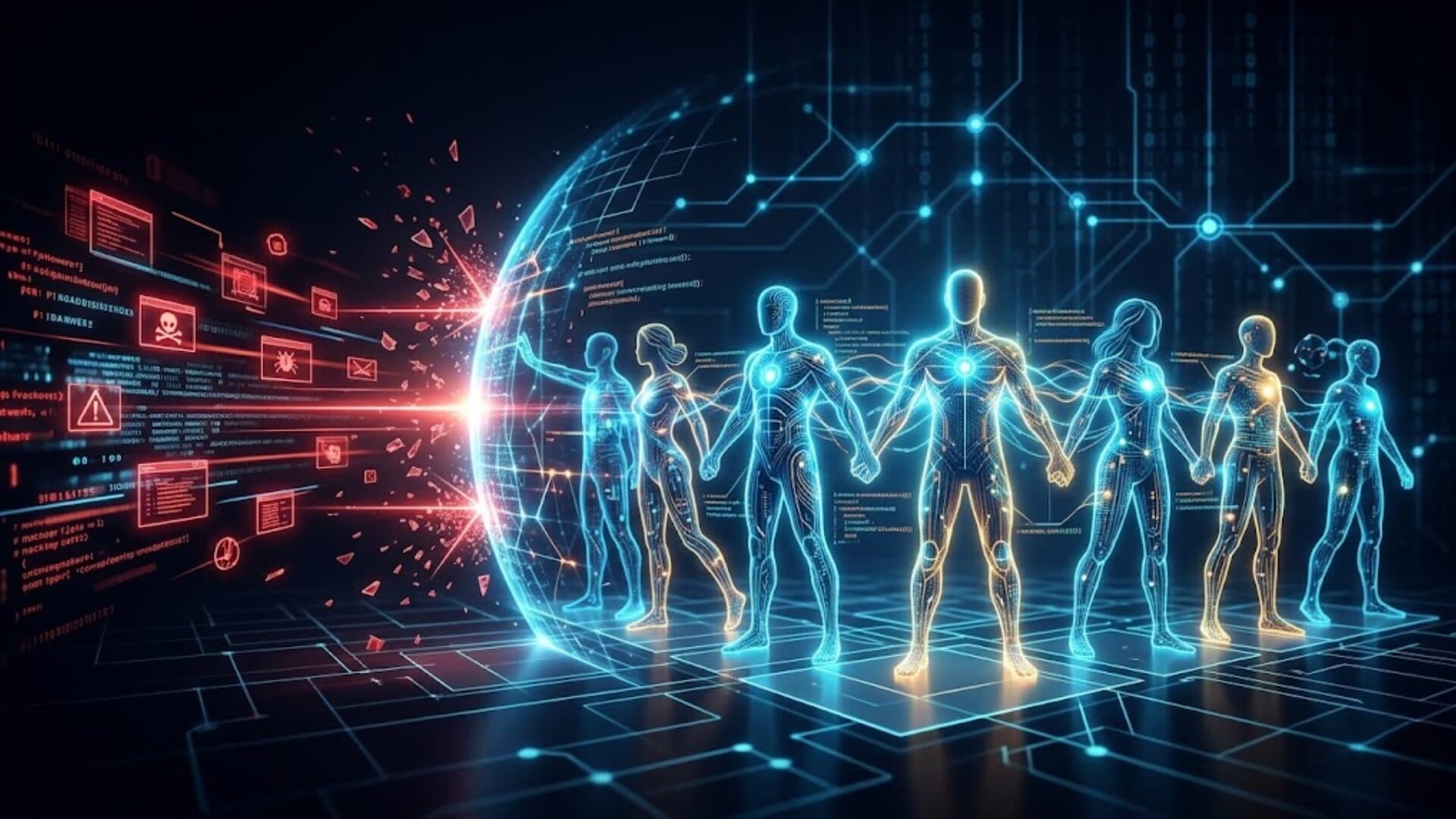
Despite heavy investments in cybersecurity systems, many businesses still fall victim to data breaches. The reason is often surprisingly simple: Human error. Attackers understand that bypassing technology is difficult, but manipulating people is much easier. That’s why building a human firewall has become a critical strategy in modern cybersecurity.
So, what is a human firewall, and why should businesses invest in one today? Let’s break it down.
What is a human firewall?Link to heading

A human firewall refers to the people in an organization who consistently follow cybersecurity best practices and help protect the company from digital threats. They act as the first line of defense against cyberattacks that target human behavior, such as phishing, impersonation, and other forms of social engineering.
As these attacks become more common and more advanced, a strong human firewall helps create a culture of trust, awareness, and support, where cybersecurity becomes a shared responsibility across the entire organization.
>>> See more: Types of firewalls every IT professional must know in 2026
Common threats that target your human firewallLink to heading
As businesses continue to improve their technical defenses, the attack surface becomes smaller. That makes it harder and more time-consuming for hackers to break in, so they often look for easier ways to access the company network. In many cases, employees become the fastest route for infiltration, which is why a strong human firewall is so important.
Phishing attacksLink to heading
Phishing is one of the most common social engineering attacks. It is designed to trick an unsuspecting person into clicking a harmful link or opening a malicious attachment. In many cases, this is how malware gets introduced into the target system, allowing the attacker to compromise it and gain access to the business network.
Attackers often use social media and other publicly available information to create fake messages that appear legitimate. These messages are written to look like genuine requests so the recipient is less likely to notice anything suspicious. This is another reason why building a human firewall through training and awareness is so valuable.
A strong understanding of the most common phishing techniques, along with real examples, can help employees recognize threats more easily in real-world situations. The more familiar people are with these tactics, the easier it becomes to stop them before damage is done.
MalwareLink to heading
Malware is a general term for software that contains malicious code. The most common types of online malware include viruses, worms, trojan horses, spyware, and ransomware. Each type spreads in a different way and causes different kinds of harm to a system.
People can become infected with malware by visiting compromised websites, opening suspicious email attachments, or plugging unknown USB drives into work computers. Even websites that employees visit often can be attacked and later used to spread malware.
For this reason, businesses should train employees to understand the risks they may face online and apply strong filtering tools so malicious content cannot easily reach them. A reliable human firewall helps reduce the chance of these threats succeeding.
Theft and lossLink to heading
The theft or loss of an employee’s device, such as a laptop or mobile phone, can seriously affect an organization’s cybersecurity. While the device itself may be the main target, it can also become a direct path into the company network if it is not properly protected. In some cases, sensitive personal or business data stored on the device may also be exposed publicly.
Because employees often carry their own devices to work, coffee shops, airports, and other public places, thieves have more opportunities to steal them. That is why it is important to educate employees about the risks of using devices in open or unfamiliar environments.
At the same time, businesses should enable security tools such as anti-theft protection, remote wiping, fingerprint authentication, and other safeguards to reduce the impact if a device is lost or stolen. A well-trained human firewall supports these protections by helping employees make safer decisions every day.
Why every business needs a human firewallLink to heading

The human firewall has become a vital part of an organization’s cybersecurity strategy because it helps reduce the risks created by socially engineered attacks that target people rather than systems.
Employees as the first line of defenseLink to heading
A well-trained workforce acts as the first barrier against cyber threats. Employees who are part of a human firewall can recognize suspicious activities such as phishing emails, fraudulent links, or social engineering attempts. With the right knowledge and awareness, they can take immediate action to prevent threats from reaching critical systems or sensitive data.
>>> Learn more: How to prevent sensitive data exposure on WordPress websites
Addressing human vulnerabilitiesLink to heading
Cybersecurity professionals widely acknowledge that human error remains one of the biggest security risks. Reports from industry leaders highlight evolving attack methods, including advanced phone-based scams and the return of sophisticated malware campaigns.
A human firewall directly addresses these risks by improving both technical understanding and psychological awareness, helping employees make safer decisions in high-risk situations.
Strengthening technical security measuresLink to heading
While security technologies such as firewalls and antivirus systems are necessary, they cannot detect or prevent every threat. A human firewall adds an extra layer of protection by identifying risks that may bypass automated systems. This combination of human awareness and technical defense creates a more resilient and adaptive security framework.
Faster detection and responseLink to heading
One of the key advantages of a human firewall is the ability to respond quickly to potential threats. Employees who understand cybersecurity basics can identify unusual behavior early and report incidents without delay. This rapid response helps organizations contain threats more effectively and reduce potential damage.
Building a security-focused cultureLink to heading
Implementing a human firewall encourages a culture where cybersecurity becomes a shared responsibility. Instead of relying solely on IT teams, every employee plays an active role in protecting organizational assets. This mindset is critical as cyber threats continue to grow in complexity and scale.
Supporting compliance and regulationsLink to heading
Many global regulations and standards, including HIPAA, PCI-DSS, and GDPR, require organizations to provide security awareness training. A human firewall approach helps businesses meet these requirements by ensuring employees are properly trained and informed. This not only improves security but also reduces legal and compliance risks.
5 Essential traits of a strong and effective human firewallLink to heading

AwarenessLink to heading
A solid understanding of cybersecurity risks is essential if you want employees to recognize threats even when they seem harmless at first glance. When they are familiar with the most common social engineering attacks and know what actions to take, they gain a clear response plan for moments when a cybersecurity incident is already in progress. This also strengthens a sense of shared responsibility across the human firewall.
For this to be effective, employees need regular updates on current cybersecurity trends, best practices, and emerging online threats. Raising the level of cybersecurity awareness helps build a stronger internal security posture and supports the development of a more cyber-resilient organization. Still, success depends on everyone being engaged and aligned.
CautionLink to heading
In cybersecurity, it is always wiser to act carefully than to regret being too trusting. A healthy level of suspicion is valuable. In day-to-day work, employees should follow a consistent routine for communication channels, sensitive data exchange, and similar processes. Even new team members, after onboarding, should quickly understand which tools are used and how to contact management when needed.
Anything unusual or outside normal behavior patterns should be treated with caution. For example, if a colleague suddenly contacts you through an unfamiliar channel and requests access to something they should already have, that is a warning sign. Being cautious should not stop people from acting, but taking a moment to pause and judge whether something feels legitimate can make a major difference.
VigilanceLink to heading
Staying secure depends heavily on constant attention to possible threats. This allows teams to anticipate attacks and reduce the chances of them succeeding. Vigilance is a core skill for identifying risk and greatly improves the ability to avoid potential incidents.
Keeping up with the types of attacks happening outside the organization also helps security teams adjust their defenses. Because many companies use similar systems and workflows, these insights can help harden networks in both the short and long term. Sometimes, a single new vulnerability can change everything.
By understanding the causes behind recent data breaches, organizations can refine their security approach and keep employees alert to specific warning signs that may affect their business.
ProfessionalismLink to heading
Being part of a human firewall requires more than technical awareness. It also depends on soft skills such as communication, and professionalism is one of the most important. Cybersecurity work often involves pressure and patience, so staying respectful and professional during a crisis is extremely important.
No one benefits from rude or unresponsive colleagues, especially when quick coordination is needed to resolve a security issue. Positive working relationships can improve team morale and, in turn, support company efficiency, productivity, and revenue. That same positive environment also helps strengthen cybersecurity resilience against different types of threats.
Security trainingLink to heading
Training is important for every cybersecurity team, but it is absolutely essential when building a dependable human firewall. Practice truly matters, and the more hands-on security training employees receive, the more likely they are to apply what they have learned in real situations.
At present, employees remain one of the most common targets for hackers searching for an easy way in. Because of this, your human firewall must be well prepared to recognize cyberattacks, and the best way to achieve that is through simulated scenarios. Strengthening this critical layer helps employees avoid the traps and bait that attackers often use.
How to strengthen the human firewall in your organizationLink to heading

EducationLink to heading
A solid understanding of the threats a company faces is the starting point of any effective human firewall. Every employee should know what kinds of risks target the organization and how to respond in different situations. This can be seen as an extension of fire drill training, but focused on cybersecurity instead of physical safety.
For that reason, companies should run regular training sessions and keep employees informed about the latest cyber threat trends. Practical cybersecurity exercises can help internal teams become more prepared when they face phishing attempts, social engineering, or other forms of intrusion.
Multi-factor authenticationLink to heading
Multi-factor authentication, or MFA, is one of the simplest ways to add more security layers that a hacker must bypass before accessing a user’s account. Protecting accounts with extra verification steps beyond passwords makes an organization much safer, especially in cases where passwords are reused or stolen. A password alone should never be enough to enter an account. In many cases, a time-sensitive confirmation is also required.
It is even more effective when the second factor uses biometric data or time-based one-time passwords, since these methods are much harder to fake than SMS codes. This is a simple change, but it can quickly strengthen an organization’s cybersecurity posture and support a stronger human firewall.
Design a training programLink to heading
A cybersecurity training program not only teaches employees about the different threats they may encounter, but also prepares them mentally for how to react when those threats appear. Skills such as identifying phishing emails are essential in today’s workplace, and training programs can play a major role in building a strong cybersecurity awareness culture.
Most training also covers real-life situations, such as verifying suspicious requests, locking unattended computers, and escorting visitors properly. These are small but important habits that everyone should follow to help create a successful human firewall and maintain a reliable first line of defense.
ConclusionLink to heading
A human firewall represents one of the most effective ways to protect modern businesses from evolving cyber threats. As attackers continue to exploit human vulnerabilities, organizations must shift their focus from purely technical defenses to a more balanced approach that includes people, processes, and technology.
By building a security-aware workforce through training, vigilance, and strong policies, businesses can significantly reduce the risk of data breaches and operational disruptions.
Stay ahead of cyber threats by reading more helpful content on the W7SFW blog.